
Black Oreo
Allocyttus nigerAlso known as Black oreo dory, black dory
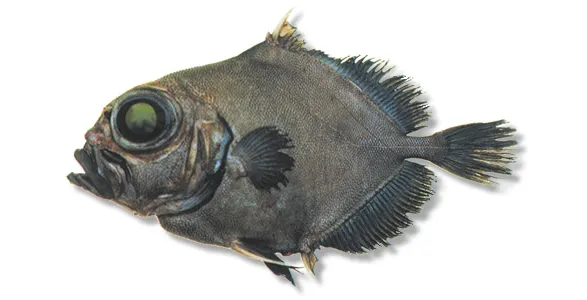
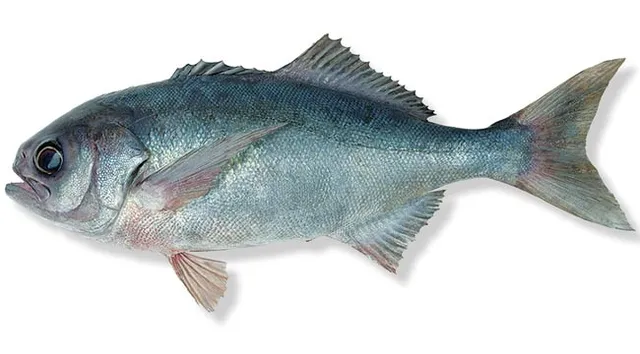
Black oreo is a deep-sea fish with a short, deep, rounded body, large eyes and a small upturned mouth, dark grey to almost black when fresh. It lives at 600 to 1200 m south of about 43°S, on grounds such as the Chatham Rise and Campbell Plateau. It is caught by commercial trawlers and sold as firm, mild white fillets.
How to identify black oreo
A short, deep-bodied, rounded fish with a compressed body, large eyes and a small upturned mouth. Fresh fish are dark grey to almost black, which is where the name niger comes from. The fins are dark. Several oreos live in New Zealand waters, including smooth, spiky and warty oreo, and they look alike. Black oreo has a larger pelvic fin and taller dorsal fin than warty oreo.
Often confused with
- Warty Oreo
Black oreo has a larger pelvic fin and a taller dorsal fin than the warty oreo.
Size and daily limits
Daily limitNo species limitCounts towards the combined finfish limit (20–30 a day). A shared limit applies in Fiordland.Limits for each area
| Area | Min. size | Daily limit |
|---|---|---|
| Auckland and Kermadec area | None | No species limit (combined 20 a day) |
| Central area | None | No species limit (combined 20 a day) |
| Challenger area | None | No species limit (combined 20 a day) |
| Kaikōura area | None | No species limit (combined 30 a day) |
| South-East area | None | No species limit (combined 30 a day) |
| Fiordland area (Fiordland Marine Area) | None | Varies, see note No species limit: counts towards Fiordland's 'any other finfish' limit of 10 a day, or 4 inside the Fiords. |
| Southland area | None | No species limit (combined 30 a day) |
Not named on any regional page; combined finfish limit only.
Checked 22 October 2026 · Source: MPI. Rules change, so check the NZ Fishing Rules app before you keep a fish.
Where it lives in New Zealand
Black oreo live in deep offshore water south of about 43°S, at 600 to 1200 m. Key New Zealand grounds are the Chatham Rise, the east coast of the South Island and the Campbell Plateau. Adults form large schools close to the seabed over rough ground near pinnacles and canyons. Juveniles drift in open ocean water. They feed on salps, crustaceans, fish and squid.
How to catch it
Black oreo are a commercial deepwater species caught by trawlers, mostly at 600 to 1200 m. They are not caught recreationally because they live far deeper than normal fishing gear reaches. Commercially they are managed together with the other oreo species found here.
Eating
Black oreo has firm white flesh with a mild flavour. The fillets hold together well during cooking, which suits dishes where the fish should keep its shape. Bake, pan-fry, poach or marinate it, or eat it raw as sashimi. Fresh herbs, citrus and Asian flavours go well with it.
Good to know
Black oreo is thought to live more than 100 years, making it one of New Zealand's longest-lived commercial fish. It is managed with the other oreos as the OEO stocks in the Quota Management System.
Questions
Is black oreo good to eat?
Yes. Black oreo has firm white flesh with a mild flavour, and the fillets hold together well during cooking. Bake, pan-fry, poach or marinate it, or eat it raw as sashimi. Fresh herbs, citrus and Asian flavours go well with it.
Is black oreo a dory?
Not a true dory. Black oreo belongs to the oreo family (Oreosomatidae), not the John Dory family, though it is often called black oreo dory. Several oreos live in New Zealand waters, including smooth, spiky and warty oreo, and they look alike.
How long do black oreo live?
Black oreo is thought to live more than 100 years, which makes it one of New Zealand's longest-lived commercial fish. It is managed with the other oreos as the OEO stocks in the Quota Management System.
Related species
 Saltwater
 Saltwater
 Saltwater
 Saltwater
More guides
All guides- ArticlesHow to fillet a fish: snapper, gurnard, kahawai and moreStep-by-step filleting for NZ fish, with photos: the basic method, skinning and pin bones, and what is different about snapper, gurnard, kahawai and blue cod.
- ArticlesBest time to fish in New ZealandWhen to catch snapper, kingfish, kahawai, tuna, trout and salmon in New Zealand, with a month-by-month calendar and what bites in each season.