
How to bleed and ice your catch (and why it matters)
Kill the fish as soon as it's landed, with a spike to the brain (iki jime) or a firm blow to the head followed straight away by a spike or bleed. Cut across the gill arches on both sides, or the throat, then put it into an ice and seawater slurry. It tastes better, keeps longer and dies quickly.
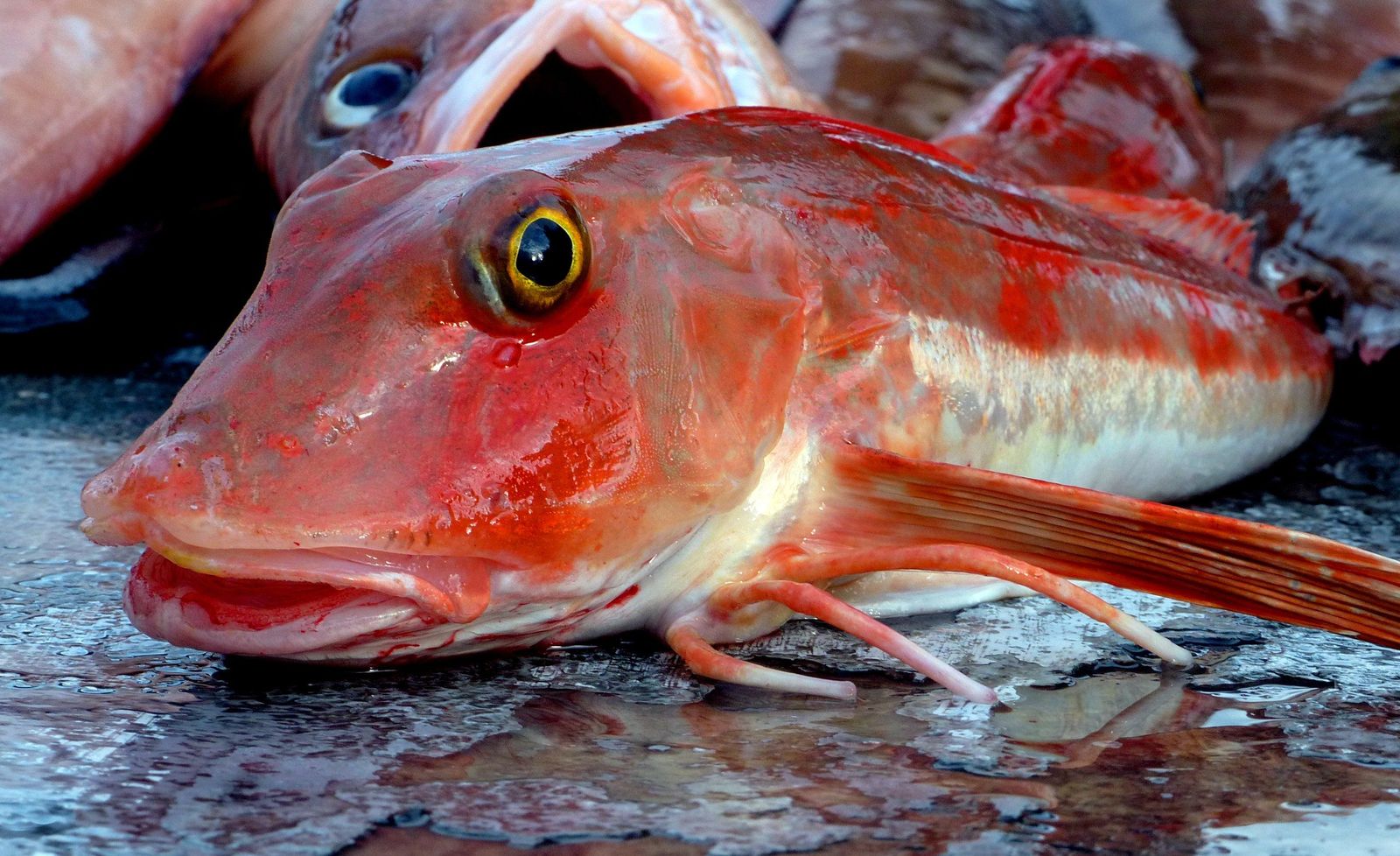
How you treat a fish in the first few minutes after it’s landed makes more difference to how it eats than anything you do in the kitchen. A fish that’s killed quickly, bled and chilled has firmer, cleaner-tasting flesh and keeps longer than one left to flap on the deck or warm in a bucket.
The method has three parts: kill the fish quickly, bleed it, and chill it in an ice slurry.
Why bleed fish?
- Eating quality: bleeding removes blood from the flesh, so the fillets are paler and cleaner-tasting with less bruising. An FAO handling guide notes that bleeding reduces discolouration, early spoilage and bruising.
- Shelf life: blood in the flesh speeds spoilage. A bled, chilled fish stays good for longer.
- Welfare: a quick kill is kinder than suffocation. SPCA New Zealand lists slow death in air or a bucket of water as unacceptable.
- Food safety: MPI warns that some fish can form histamine if they aren’t chilled properly, which can cause histamine poisoning. Its list includes kahawai, mackerel, tuna, kingfish, marlin and trevally. Chill these as soon as you catch them and keep them chilled.
How to iki jime
Iki jime means killing a fish by driving a spike into its brain. Done in the right place, the fish dies instantly. SPCA New Zealand recommends it for restrained fish and suggests a purpose-made spike, preferably spring-loaded or elastic-powered, for a faster and more reliable strike.
- Hold the fish still on a wet mat or in a cradle, or pin it with a wet towel over its eyes.
- Find the spot. On most fish the brain sits on top of the head, slightly behind and above the eyes. An FAO guide gives about 2 cm behind the eye for a medium-sized fish.
- Drive the spike in firmly and quickly, angled towards the brain.
- Check that it worked. SPCA says the eyes should stop rolling and the gill covers should stop moving. If not, try again straight away.
Where the brain sits differs between species. Deep-bodied fish like snapper and torpedo-shaped fish like kahawai and kingfish are spiked in slightly different places. The FRDC snapper guide points to ikijime.com for species-by-species brain locations, and SPCA New Zealand links to ikigun.com for common NZ species.
ikijime.com has pages for snapper, kahawai and kingfish, with X-ray side and top views to help you find the spike point on each.
If you don’t have a spike
A firm blow to the top of the head, just above the eyes, with a heavy club or priest will stun a fish. SPCA New Zealand says a follow-up method must be used within 10 seconds of stunning to make sure the fish dies: a spike, or a bleed by cutting the gills. Beginners should ask an experienced angler to show them.
How to bleed a fish
Bleed the fish straight after killing or stunning it. The heart keeps beating for a while after the brain is destroyed, which pumps the blood out.
- Kill or stun the fish first. SPCA lists cutting the gills of a fish that hasn’t been stunned as unacceptable.
- Cut across the gill arches on both sides of the head with a sharp knife, or cut the throat where the gills join under the head.
- Put the fish head down in a bucket of clean seawater, or straight into the ice slurry, while it bleeds. An FAO guide prefers bleeding in an ice slurry.
- Leave it until the bleeding has mostly stopped, then move it to the slurry if it isn’t already there.
- Change the water in the bleeding bucket often.
Ice slurry
An ice slurry is ice mixed with water. It chills fish far faster than ice alone, because the water touches the whole fish.
- Ratio: use at least as much ice as water. The FRDC guide recommends at least 1 part ice to 1 part water, giving about 2°C to -2°C. The FAO guide suggests 4 parts freshwater ice to 1 part seawater.
- Water: seawater is the usual choice on the boat. The FAO guide warns not to add extra salt, as that can drop the slurry low enough to part-freeze the fish, which speeds spoilage.
- Temperature: aim for just above 0°C. Keep adding ice as it melts.
- Big fish: opening the gut cavity helps a big fish cool faster. The FRDC guide says not to cut into the intestine, and if you do, to remove it all and rinse the cavity before the fish goes into the slurry.
A good chilly bin makes a big difference on a long, hot day. Keep the bin in the shade with the lid shut. See the best chilly bins in NZ.
Don’t leave fish soaking in the slurry for longer than you need to. The FAO guide warns that a long soak can bleach the skin, especially of red fish, and cloud the eyes.
Species notes
Kahawai
Kahawai benefits more than almost any other fish. Its flesh is dark and oily, and it’s on MPI’s list of fish that can form histamine if they aren’t chilled. Spike it, bleed it and get it into the slurry as soon as it’s landed. Handled this way it’s very good raw and one of the best fish for smoking.
Kingfish
Kingfish are big, strong fish that hold a lot of heat. Control the fish before you spike it (a wet towel over the eyes helps), then bleed it and get it into plenty of slurry. For large fish, open the gut cavity to help it cool. Kingfish is widely eaten raw, so careful bleeding and chilling pay off.
Snapper
Snapper aren’t on MPI’s histamine list, but they still benefit from a quick kill, a bleed and a slurry. The FRDC snapper guide recommends either spiking or a firm blow to the head followed by spiking or bleeding.
Trevally, mackerel and tuna are on MPI’s histamine list too, so treat them like kahawai.
Next steps
Once the fish is chilled, see how to fillet a fish. Before you keep a fish, check the size and daily limits for your area.
Questions
How do you bleed a fish?
Kill or stun the fish first, then cut across the gill arches on both sides of the head, or cut the throat. The heart keeps pumping for a short time after the fish is dead, which pushes the blood out. Put the fish in a bucket of seawater or straight into an ice slurry while it bleeds.
How do you bleed kahawai?
Spike or stun the kahawai as soon as it's landed, cut across the gill arches on both sides or cut the throat, and let it bleed in a bucket of seawater or an ice slurry. Then keep it in the slurry. Kahawai benefits more than most fish because its flesh is dark and oily and goes off quickly if it's left warm.
What is iki jime?
Iki jime is a Japanese method of killing a fish by driving a spike into its brain. Done in the right place, it kills the fish instantly, which is better for the fish and for the eating quality of the flesh. The brain's position differs between species, so it's worth learning where it is for the fish you catch most.
What is the best ratio for an ice slurry?
Use at least as much ice as water. An Australian fisheries guide recommends at least 1 part ice to 1 part water, and an FAO guide suggests 4 parts freshwater ice to 1 part seawater. Aim for a slurry just above 0°C, and keep adding ice as it melts.
Can you put a live fish straight into an ice slurry?
SPCA New Zealand lists live chilling as an unacceptable way to kill fish, because the brain can stay active even after the fish stops moving. Kill the fish first, then put it in the slurry.
Sources (6)
- SPCA New Zealand, Best practice recommendations for recreational anglers
- MPI New Zealand Food Safety, Food safety for fishers (last reviewed 10 February 2026)
- Panaquatic Health Solutions and FRDC, Fishing for snapper: how to humanely kill the fish you keep
- FRDC Australian Animal Welfare Strategy, Using ice slurry to maximise fish welfare and flesh quality
- FAO, Fishing with traps and pots (FAO Training Series 26), section 9: Care of the catch
- ikijime.com, Fish finder: snapper, kahawai and yellowtail kingfish