
How to smoke fish at home (NZ guide)
To hot smoke fish, start with a fish that was bled and iced. Fillet it skin on, soak it in a chilled salt brine, then dry it in the fridge until tacky. Smoke it over mānuka or another hardwood until the thickest part reaches 63°C. Cool, wrap and refrigerate.
Hot smoking is the classic way to deal with a good feed of oily fish. It cooks the fish and flavours it at the same time, and kahawai, trevally and trout that are only average fried come out moist and rich.
This guide covers hot smoking at home: which fish to use, the brine, drying, wood, temperatures and how long the result keeps. The cooking temperature comes from the US FDA Food Code, and the other food safety figures from the University of Alaska Fairbanks extension service (based on the Pacific Northwest guide Smoking Fish at Home Safely) and MPI. New Zealand Food Safety doesn’t publish a home smoking temperature that we could find.
Best fish for smoking
Oily fish smoke best. Fat keeps the flesh moist through the heat, and it carries the smoke flavour. Lean white fish can be smoked too, but they take up salt quickly and dry out more easily.
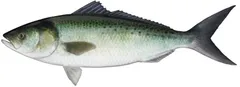
Kahawai
The classic NZ smoking fish. Darker, oily flesh that stays moist in the smoker.
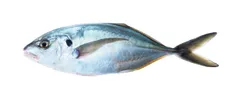
Trevally
Firm, oily flesh that smokes well. Remove the dark strip of flesh along the side first if you prefer a milder taste.
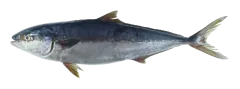
Kingfish
Firm, rich flesh. Cut big fillets into even pieces so they cook at the same rate.
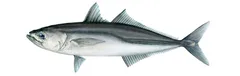
Jack mackerel
Small and oily. Smoke the fillets whole, or butterflied.
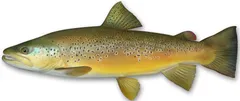
Brown trout
Smoking is the traditional way to eat trout. Wild trout can't be sold, so you have to catch your own.
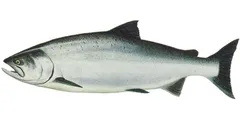
Chinook salmon
Rich, fatty flesh and the best-known smoked fish of all.
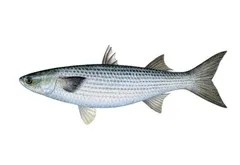
Grey mullet
Oily pinkish-grey flesh that is especially good smoked.
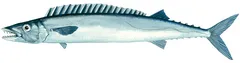
Barracouta
Soft white flesh with a rich flavour that smokes well.
Eel (tuna) is also traditionally smoked in New Zealand. We’ll add a page for it later.
Start with a fish that was handled well. Smoking doesn’t hide poor quality, it shows it up. Kill the fish quickly, bleed it and get it into an ice slurry (see how to bleed and ice your catch). MPI lists kahawai, mackerel, kingfish, trevally and tuna among the fish that can form histamine if they aren’t chilled properly, which can make you sick. Chill them as soon as you catch them and keep them cold until you use them.
Preparing the fish
Fillet the fish and leave the skin on (see how to fillet a fish). The skin holds the fillet together on the rack. Small fish such as mackerel can be butterflied instead: split down the back or belly, remove the backbone and leave the two sides joined.
Cut the fillets into pieces of even thickness so that they salt and cook evenly. The UAF guide suggests pieces no more than about 2.5 cm thick. Trim off thin belly flaps or smoke them separately, as they will be done well before the thick end.
Keep everything cold and clean while you work. Never put smoked fish back on a board, rack or plate that held raw fish.
Brine
Salt does three things here: it seasons the fish, it firms the texture, and it helps the surface dry to a shiny skin (the pellicle) that takes smoke well. In modern recipes it doesn’t preserve the fish. There isn’t enough salt to stop bacteria growing, which is why smoked fish must be kept cold.
Wet brine
The UAF guide’s medium brine works out at roughly:
- 180 g of salt per litre of water
- 50 g of white or brown sugar per litre, if you want a sweeter cure
Use plain non-iodised salt. The UAF guide recommends pure salts such as pickling, kosher or flake salt, and says to avoid iodised salt and curing salts.
- Stir the salt (and sugar) into the water until it dissolves.
- Chill the brine in the fridge until it is below about 3°C. Cold brine slows bacterial growth.
- Use about three times as much brine as fish by weight, so the pieces are well covered.
- Leave the fish in the brine, in the fridge, for anywhere from 20 minutes to 3 hours. Thin pieces and lean fish need the short end, thick pieces of oily fish the long end.
- If the fish was in for an hour or more, soak it in fresh cold water for 30 to 60 minutes to draw out excess salt. For shorter brines, a rinse is enough.
- Throw the brine out. Make fresh brine for each batch.
A weaker brine can be used with a longer soak. Add pepper, bay leaf, garlic or soy to taste.
Dry brine
You can also salt the fish dry, rubbing the salt straight onto the flesh. The Pacific Northwest guide says dry salting is acceptable and the same general rules apply, but a wet brine gives more even salting. The UAF guide notes that dry salting takes considerable experience to get consistent results.
Drying until tacky
After brining, pat the fish dry and lay it skin side down on a rack, uncovered, in the fridge. This lets the salt even out through the flesh and the surface dry. The UAF guide gives 6 to 8 hours in the fridge for a 2.5 cm fillet, and anywhere from 2 to 24 hours depending on thickness.
The fish is ready when the surface feels tacky and looks slightly shiny. That skin seals in moisture and helps the smoke stick. A fan in a cool room speeds it up, but don’t leave the fish out of the fridge for long.
Hot smoking step by step
- Bleed and ice the fish when you catch it, and keep it cold until you smoke it.
- Fillet it with the skin on and cut it into pieces of even thickness.
- Brine it in a chilled brine in the fridge for 20 minutes to 3 hours, then rinse or soak it.
- Dry it on a rack in the fridge until the surface is tacky.
- Light the smoker and get it smoking steadily with hardwood chips or sawdust.
- Lay the fish skin side down on a lightly oiled rack, with space between pieces.
- Smoke it until a probe thermometer in the thickest piece reads at least 63°C.
- Let it cool, then wrap it and refrigerate or freeze it.
How hot, and for how long
For safety, go by the temperature inside the fish, not the clock. Cook it until the thickest part reaches at least 63°C (145°F), the safe internal temperature for fish in the US FDA Food Code. Push a probe thermometer into the thickest part of the thickest piece.
Some home-smoking guides go further. The UAF guide recommends heating the fish to 71°C (160°F) and holding it there for at least 30 minutes, preferably near the end of the smoke. That gives a bigger safety margin, especially for fish you plan to keep in the fridge for a while.
How long that takes depends on the smoker. In a low, slow smoker the UAF guide expects the fish to reach its target temperature within 6 to 8 hours, and recommends a gentle start (3 to 5 hours) before raising the heat so the flesh doesn’t curd and split. Small box smokers run much hotter and cook fillets far faster.
If your smoker can’t get the fish hot enough, finish it in an oven set to about 150°C (UAF gives 300°F) until the inside of the fish reaches 63°C.
Signs it’s done: the flesh is opaque all the way through and flakes when pressed, and white curd (protein) may be starting to show on the surface. A little curd is fine. Lots of it means the heat was too high, too early.
Cold smoking
Cold smoking keeps the fish below about 32°C, so it flavours the fish without cooking it. It takes anywhere from 16 hours to 7 days and sits in the temperature danger zone the whole time. The UAF guide warns the fish can spoil or become unsafe before it’s finished, and any fish that will be eaten without cooking must first be frozen to kill parasites (UAF says at -18°C for at least two weeks).
That’s hard to manage at home, especially in a humid New Zealand summer. Stick to hot smoking unless you have the equipment and experience to control temperature and humidity closely.
Wood
Mānuka is the traditional New Zealand smoking wood. It burns hot and gives a strong, sweet smoke that suits oily fish. It’s sold as chips and sawdust for home smokers.
Other dry hardwoods also work. Whatever you use:
- Use untreated, unpainted wood only. Never burn treated timber (such as tanalised pine), painted or glued offcuts, or anything that has been sprayed.
- Use hardwood only. The Pacific Northwest extension guide says not to use fir, spruce, pine or cedar, which leave an unpleasant taste.
- Use dry chips or sawdust for a clean smoke. Thick, white, acrid smoke makes the fish bitter.
Smokers
You don’t need much to start. The main types:
- Box smokers: a small metal box with a tray of sawdust over a methylated spirits burner or gas ring. Cheap, portable and fast, and common in New Zealand garages. They run hot, so watch for drying out.
- Kettle and hooded barbecues: set up for indirect heat with a tray of chips over the coals or one burner. Good for bigger batches.
- Pellet and electric smokers: set a temperature and leave it. The easiest way to get steady, lower temperatures and longer smokes.
- DIY smokers: old fridges, drums and brick smokehouses. Fine if they’re built from safe materials and you can measure the temperature inside.
Whichever you use, a probe thermometer matters more than the smoker.
How long does smoked fish last?
Home-smoked fish is cooked and flavoured, not preserved. The salt and smoke don’t stop bacteria growing, and MPI treats chilled smoked fish as a high-risk food because of Listeria and the bacterium that causes botulism. Keep it cold from the smoker onward.
- Cool it to room temperature first (so it doesn’t sweat in the wrapping), then wrap it in plastic wrap or foil and refrigerate it straight away.
- In the fridge: eat it within a few days. The extension guides treat 2 weeks in a fridge at 3°C or colder as the limit, and say to freeze anything you want to keep longer. Many home fridges run warmer than 3°C, so check yours with a thermometer.
- Vacuum sealed: vacuum packing stops it drying out, but it doesn’t make it shelf stable. Vacuum-packed smoked fish must still be kept in the fridge or freezer. Never leave it at room temperature.
- Frozen: well wrapped or vacuum sealed, smoked fish keeps its quality for 2 to 3 months.
If you’re pregnant or have low immunity, New Zealand Food Safety advises against eating chilled smoked fish unless it’s heated until piping hot (over 75°C). Serve it hot, in a pie, pasta or kedgeree, rather than cold.
Recipe: classic smoked kahawai
A simple hot-smoked kahawai using the wet brine above.
- Makes: fillets from 2 medium kahawai
- Prep: about 30 minutes, plus brining and 6 to 8 hours drying in the fridge
- Smoke: until the thickest piece reaches 63°C
Ingredients
- 2 kahawai, bled and iced when caught
- 2 litres cold water
- 360 g plain non-iodised salt
- 100 g brown sugar
- 1 teaspoon cracked black pepper, plus extra for the top
- Mānuka chips or sawdust
Method
- Fillet the kahawai, leaving the skin on. Trim the thin belly flap and cut any big fillets into pieces of even thickness.
- Dissolve the salt and sugar in the water, add the pepper and chill the brine until it's below about 3°C.
- Put the fillets in the brine, cover and refrigerate for 30 minutes to 1 hour, depending on thickness.
- Rinse the fillets under cold water and pat them dry.
- Lay them skin side down on a rack and dry them uncovered in the fridge until the surface is tacky, about 6 to 8 hours.
- Grind a little extra pepper over the top. Lay the fillets skin side down on a lightly oiled smoker rack.
- Smoke over mānuka until a probe in the thickest piece reads 63°C.
- Cool, wrap and refrigerate. Eat warm from the smoker or cold.
The recipe brine is about the strength of the Pacific Northwest guide’s 1 part salt to 7 parts water. That guide says 1 hour in the fridge works in most cases, and suggests starting with about 15 minutes per 1.25 cm of thickness, so a 2.5 cm kahawai fillet would start at about 30 minutes.
What to do with smoked fish
- Flake it warm over a salad or new potatoes.
- Mix it with cream cheese, lemon and herbs for a smoked fish dip or pâté.
- Fold it into a fish pie, kedgeree, fritters or a creamy pasta.
- Add it to a chowder at the end of cooking.
Before you keep a fish, check the size and daily limits for your area. For keeping the catch cold on the way home, see the best chilly bins in NZ.
Questions
How do you smoke fish in a smoker?
Fillet the fish with the skin on, soak it in a chilled salt brine, rinse it and dry it in the fridge until the surface is tacky. Put it skin side down in the smoker and hot smoke it over hardwood until the thickest part reaches 63°C. Check with a probe thermometer rather than going by time.
How long does smoked fish last in the fridge?
Eat it within a few days. Extension guides treat 2 weeks in a fridge at 3°C or colder as the limit, and say to freeze anything you want to keep longer. Home smoking does not preserve fish, so keep it cold the whole time.
How long does smoked fish last vacuum sealed?
Vacuum sealing protects the fish from drying out and freezer burn, but it does not make it safe at room temperature. Vacuum-packed smoked fish must still be kept in the fridge or freezer. Frozen and well wrapped, it keeps its quality for 2 to 3 months.
How do you smoke kahawai?
Bleed and ice the kahawai when you catch it, fillet it with the skin on, brine it, dry it until tacky and hot smoke it until the thickest part reaches 63°C. Kahawai is oily, so it stays moist in the smoker and is one of the best NZ fish for smoking.
How long does it take to cold smoke fish?
Cold smoking takes anywhere from 16 hours to 7 days, with the fish kept below about 32°C the whole time. It doesn't cook the fish and the whole process sits in the temperature danger zone, so it is hard to do safely at home. This guide covers hot smoking only.
Sources (8)
- Washington State University, Oregon State University and University of Idaho Extension, Smoking Fish at Home Safely (PNW 238)
- New Zealand Food Safety, Food safety in pregnancy: list of safe food (last reviewed 29 July 2026)
- New Zealand Food Safety, Food safety for people with low immunity
- US Food and Drug Administration, Food Code 2022, section 3-401.11 (fish: 63°C / 145°F)
- University of Alaska Fairbanks Cooperative Extension, Smoking Fish at Home (FNH-00325, revised February 2021), drawing on Hilderbrand, Smoking Fish at Home Safely (PNW 238)
- MPI New Zealand Food Safety, Food safety for fishers (last reviewed 10 February 2026)
- MPI, Importing smoked and smoke flavoured fish (ready-to-eat and chilled): a high regulatory interest food (last reviewed 1 February 2023)
- Seafood New Zealand, Kahawai