
How to fillet a fish: snapper, gurnard, kahawai and more
To fillet a fish, bleed and chill it first. Lay it on its side, cut behind the head and gill plate down to the backbone, then run the knife along the backbone to the tail. Lift the fillet and cut it free over the ribs. Turn the fish over and repeat, then skin the fillets and remove any pin bones.
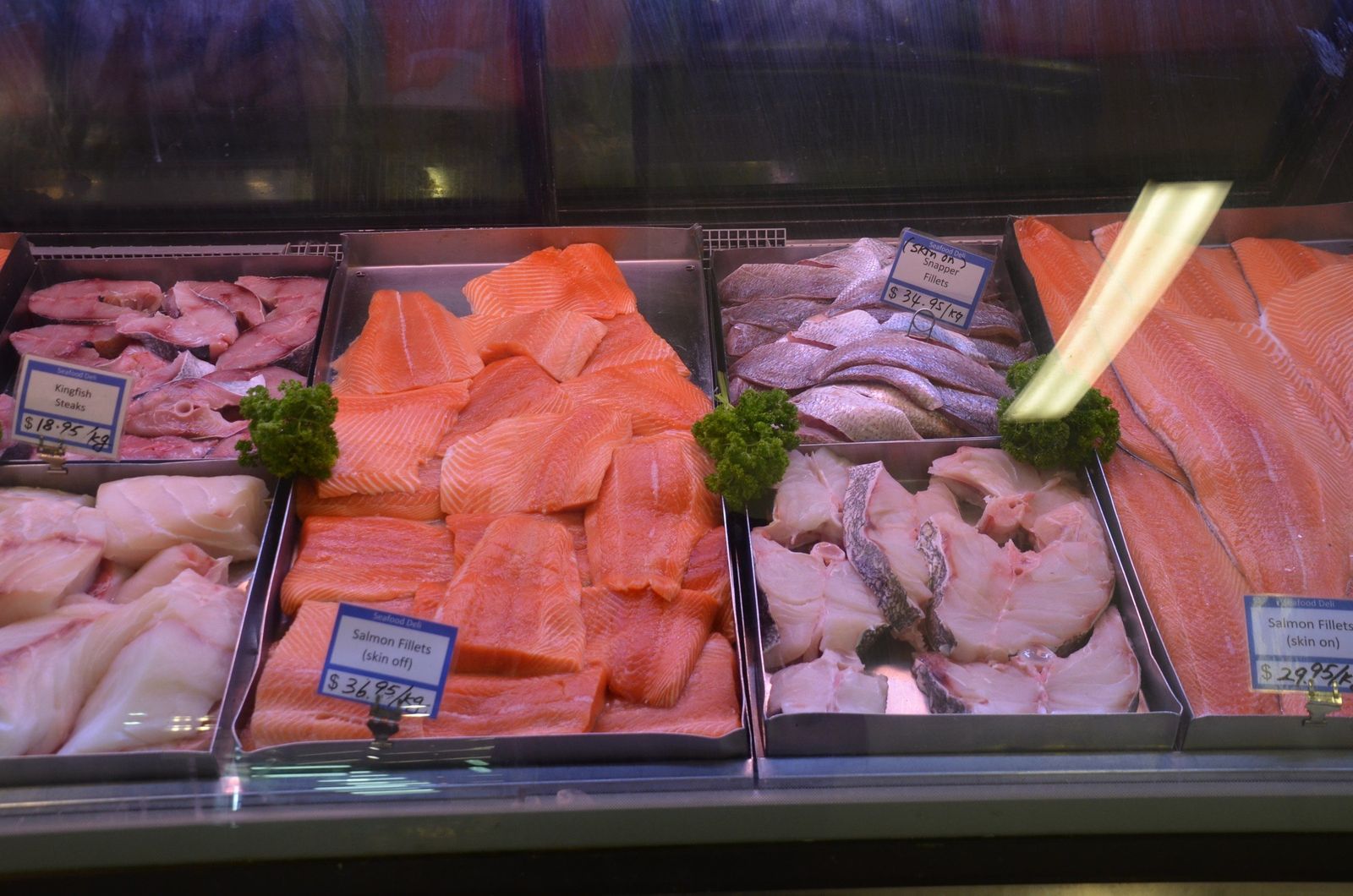
Filleting looks harder than it is. A sharp knife, a cold fish and a steady method do most of the work. This guide covers the basic method for a round fish such as snapper, then skinning, pin bones and what’s different about the common NZ species. Each species has its own section you can jump to.
Before you start
Bleed and chill the fish first
A fish that was killed quickly, bled and put straight into an ice slurry is much easier to fillet. The flesh is firmer, the cuts are cleaner and there’s less blood through the fillet. See how to bleed and ice your catch.
Keep the fish cold until you fillet it, and fillet it as soon as you reasonably can. MPI advises chilling fish as soon as you catch them and keeping them chilled until you use them. This matters most for kahawai, kingfish, trevally and other fish that can form histamine if they warm up.
Check the rules before you fillet at sea
Some fishing rules depend on being able to measure or identify the fish, and some areas have rules about how certain species must be landed. Check the fishing rules for your area, and the rules section on each species page, before you fillet on the boat.
Of the fish in this guide, blue cod has a national rule: it must be kept whole or gutted until you’re back on land, so don’t fillet it at sea (regulation 20A). In the East Otago taiāpure the same applies to all finfish.
Knife and board
- A flexible fillet knife does most of the work. It bends over the ribs and along the backbone.
- A longer, stiffer blade helps on big fish such as kingfish.
- Kitchen shears or a heavy knife help with bony heads, such as gurnard.
- Keep it sharp. A blunt knife tears the flesh and slips.
- Use a clean board that’s big enough for the fish. A damp cloth under it stops it sliding.
- Wear a cut-resistant glove on your holding hand if you fillet a lot.
Keep the fillets clean and cold as you go. Rinse off scales and slime, keep the fillets away from gut contents, and put them in a bag or container on ice.
How to fillet a fish, step by step
This is the basic method for a round-bodied fish such as snapper, tarakihi or kahawai. You can fillet without gutting the fish if you keep the knife above the ribs.
- Lay the fish on its side on the board, with its back towards you and the head to your left (or right, if you’re left-handed).
- Make the first cut just behind the gill plate and pectoral fin, angled slightly towards the head, down to the backbone. Don’t cut through the backbone.
- Turn the knife flat so it points towards the tail and rests on the backbone.
- Cut along the top of the backbone towards the tail in long, smooth strokes, keeping the blade pressed lightly against the bone. Let the knife ride over the bones rather than cutting into them.
- When you reach the ribs, either cut over them (keeping the knife just above the rib cage) or cut through the thin rib bones close to the backbone and trim them out later.
- Cut through the skin at the tail and lift the fillet away.
- Turn the fish over and repeat on the other side.
- Trim off the belly flap if it’s thin or fatty, and cut out any rib bones left in the fillet.
- Skin the fillet and remove the pin bones (see below).
Some anglers prefer to start from the back: cut along the top of the backbone from head to tail first, then work the knife down over the ribs, lifting the fillet as they go. Both methods work.
Skinning and removing pin bones
Skinning a fillet
Leave the skin on if you’re going to smoke the fish, barbecue it or pan-fry it with crispy skin. Otherwise:
- Lay the fillet skin side down with the tail end closest to you.
- Cut down through the flesh to the skin about 1 cm from the tail end. Don’t cut through the skin.
- Turn the blade almost flat, angled very slightly down towards the skin.
- Hold the tab of skin firmly (a pinch of salt or a paper towel helps your grip).
- Push the knife forward while gently wiggling the skin side to side. The blade stays still and the skin moves.
Snapper and other scaled fish can be scaled before filleting if you want to keep the skin.
Pin bones
Pin bones are small bones that run in a line along the middle of the fillet, usually from the head end partway towards the tail. Run a finger along the fillet towards the head to find them.
- Pull them out one at a time with fish tweezers or clean pliers, pulling towards the head end so the flesh doesn’t tear.
- Or cut them out with a narrow V-shaped cut either side of the line. This is quicker but loses a strip of flesh.
Bloodline
Many oily fish have a strip of dark red flesh along the middle of the fillet on the skin side. It’s edible but has a stronger taste and goes off faster than the rest. Trim it out with a shallow V cut for raw fish and milder cooking, or leave it on for smoking.
How to fillet snapper
Snapper follow the basic method above. They have large, hard scales, sharp dorsal spines and strong rib bones, so:
- Watch the spines on the back and the gill plate when you hold the fish.
- Scale the fish first if you want to cook it skin on. Scaling is messy, so do it outside or in a bag.
- Snapper fillets have a short row of pin bones near the head end. Pull them or cut them out with a V cut.
- Smaller snapper can be cooked whole instead, which avoids filleting altogether.
How to fillet gurnard: the head and spines
Red gurnard have a hard, bony, armoured head and sharp spines on the gill covers. Take care holding them, and expect the first cut to take some force.
- Make the first cut just behind the head. The head is hard and bony, so a heavy knife or kitchen shears help.
- Run the knife along the backbone as normal. Gurnard fillets are fairly small, so a shorter, flexible blade is easiest.
- Each fillet has a row of small pin bones. Pull them out or cut them out with a V cut before cooking.
- Gurnard are also very good cooked whole, which avoids filleting.
How to fillet kahawai: the bloodline
Kahawai are easy to fillet. They have small scales, a straight backbone and soft rib bones. The work is all in the handling before and the trimming after.
- Bleed and ice them as soon as they’re landed. A kahawai that wasn’t bled has darker, bloodier fillets.
- Fillet them using the basic method above.
- Kahawai flesh is dark, and each fillet has a strip of darker red flesh along the middle on the skin side. Trim it out with a shallow V cut if you’re eating the fish raw or cooking it gently. Leave it on for smoking.
- For smoking, leave the skin on (see how to smoke fish).
How to fillet blue cod
Blue cod have soft, delicate white flesh that flakes easily, so handle the fillets gently.
- Use the basic method, with long, smooth strokes so you don’t tear the soft flesh.
- Blue cod have a large head, so the first cut behind the head takes off a fair bit of the fish. Angle it towards the head to save flesh.
- Skin the fillets carefully. The flesh can separate if you push too hard.
- Check the rules for blue cod in the area you fished before you fillet at sea (see blue cod rules).
How to fillet flounder: four fillets
Flounder are flat, with the backbone running down the middle of the body. Instead of two fillets you take four, two from each side.
- Lay the flounder dark side up.
- Cut around the head, just behind the gill cover, down to the bone.
- Cut straight down the middle of the fish from head to tail, along the line of the backbone.
- Slide the knife under one side, keeping it flat against the bones, and work out towards the fins in long strokes. Lift the fillet and cut it free at the edge.
- Repeat for the other half on the same side.
- Turn the fish over and take two fillets from the white side.
The fillets are thin, so a very flexible knife helps. Flounder are also excellent cooked whole on the bone.
How to fillet John Dory
John Dory are tall and very thin, with a big head and a large gut cavity. There’s less flesh than the size of the fish suggests, but the fillets are thin and bone out easily.
- Cut behind the head and down along the edge of the gut cavity.
- Work the knife along the backbone from head to tail. The body is narrow, so keep the blade flat and let it follow the bones.
- Watch the spines on the dorsal fin when you hold the fish.
How to fillet kingfish: big fish
Kingfish are big, firm fish. The method is the same as for snapper, but the scale changes things.
- Bleed the fish and get it into an ice slurry straight away. A big fish holds its heat, so it needs plenty of ice. For large fish, opening the gut cavity helps it cool faster, but don’t cut the gut itself.
- Use a longer, stiffer knife and a big, stable surface. A filleting table on the boat or a bench at the ramp is easier than a chopping board.
- Take each fillet off in one piece, then cut it lengthwise along the lateral line into a top loin and a bottom (belly) loin.
- Trim out the dark bloodline between the loins, especially for sashimi.
- Cut the loins into meal-sized blocks and get them back on ice or into the fridge quickly.
Trevally and trout
Trevally fillet like kahawai. Remove the dark strip of red flesh along the middle of the fillet for sashimi and raw fish.
Trout have fine bones and soft flesh. Many anglers gut and clean trout and cook or smoke them whole. If you fillet them, use a very flexible knife and expect a row of small pin bones to pull out.
What to do with the frame
The frame (head, backbone and leftover flesh) is useful.
- Fish stock: rinse the frame, remove the gills and any blood along the backbone, then simmer it with onion, celery and herbs for 20 to 30 minutes. Longer simmering can make it bitter.
- Fish heads: snapper and kingfish heads are good eating, baked, grilled or in a curry. The cheeks are a favourite.
- Frame meat: scrape the flesh left on the backbone with a spoon for fish cakes or patties.
- Berley: frames can be frozen and used as berley next trip.
Get rid of what’s left responsibly. Don’t leave frames at the boat ramp or wharf.
For keeping fillets cold on the way home, see the best chilly bins in NZ. For what to cook, see the best eating fish in New Zealand.
Questions
Can you fillet a fish without gutting it?
Yes. Most anglers fillet without gutting. Keep the knife above the rib cage and you can take both fillets off without opening the gut cavity. Gutting first is still a good idea if the fish will sit for a while before filleting, as it helps the fish cool quickly.
How do you skin a fish fillet?
Lay the fillet skin side down with the tail end towards you. Cut down through the flesh to the skin about 1 cm from the tail, then turn the blade almost flat. Hold the skin tab firmly and push the knife forward while wiggling the skin side to side, keeping the blade pressed against the skin.
How do you remove pin bones from a fillet?
Run a finger along the fillet to find the line of bones. Pull them out one by one with fish tweezers or clean pliers, pulling towards the head end, or cut them out with a narrow V-shaped cut either side of the line. Gurnard and snapper fillets both have a row of pin bones.
What knife do you need to fillet fish?
A sharp, flexible fillet knife does most of the work. A longer, stiffer knife helps on big fish such as kingfish, and a heavy knife or kitchen shears help cut through the bony head of gurnard. Keep it sharp: a blunt knife tears the flesh and is more likely to slip.
How do you fillet a flounder?
Flounder are flat, so you take four fillets instead of two. Cut down the middle of the fish along the backbone, then work the knife out from the centre to each edge, lifting one fillet at a time. Turn the fish over and do the same on the other side.
Sources (6)
- Fisheries (Amateur Fishing) Regulations 2013, regulation 20A (blue cod kept whole or gutted) and 129B (East Otago taiāpure)
- MPI New Zealand Food Safety, Food safety for fishers (last reviewed 10 February 2026)
- FAO, Fishing with traps and pots (FAO Training Series 26), section 9: Care of the catch
- Panaquatic Health Solutions and FRDC, Fishing for snapper: how to humanely kill the fish you keep
- Seafood New Zealand, Red gurnard
- Seafood New Zealand, Kahawai