
Sharks and rays of New Zealand
New Zealand waters are home to at least 113 kinds of shark, ray, skate and chimaera, from the pygmy shark at under 30 cm to basking sharks over 10 m. Most live out of sight on the continental slope, but a handful are part of everyday coastal life: rig and school shark in the harbours, eagle rays and stingrays over the sand, and in summer, bronze whalers, hammerheads and the odd great white close to shore.
This guide covers the sharks and rays you are most likely to meet around New Zealand: how to tell them apart, where they live, which are protected, and how much of a risk they really are.
Coastal sharks
Smaller sharks of harbours, beaches and reefs. These are the sharks New Zealanders see most often, and two of them, rig and carpet shark, live nowhere else.
Large sharks
Big sharks that range along the coast and out into the open ocean. Many move inshore in spring and summer to give birth and feed. The great white is protected.
Giant plankton feeders
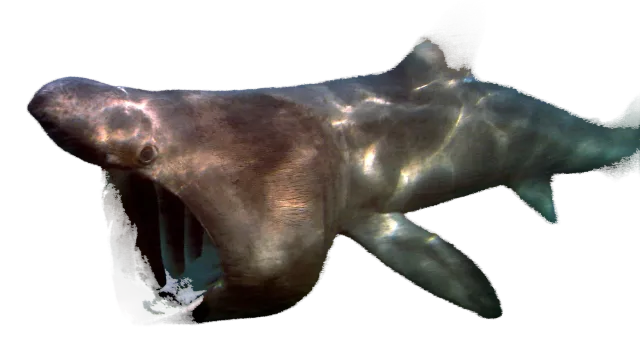
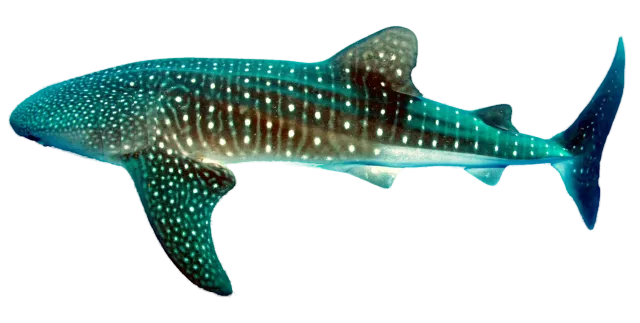
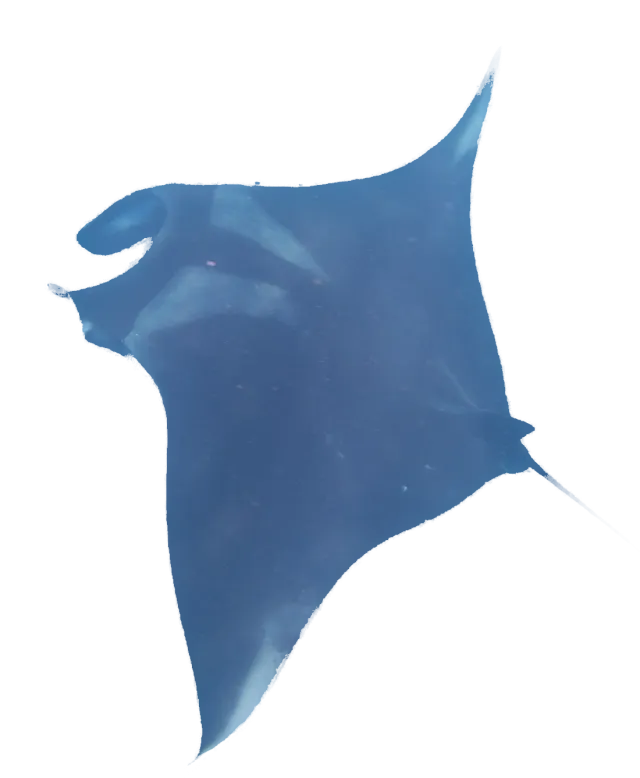
The biggest sharks and rays in New Zealand waters eat some of the smallest animals, sieving plankton from the water. All three are slow, harmless to people and protected.
Rays
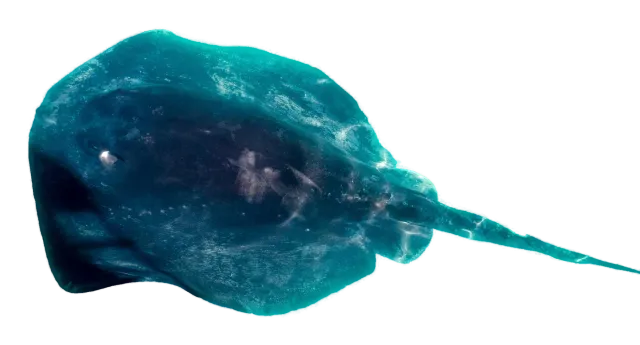
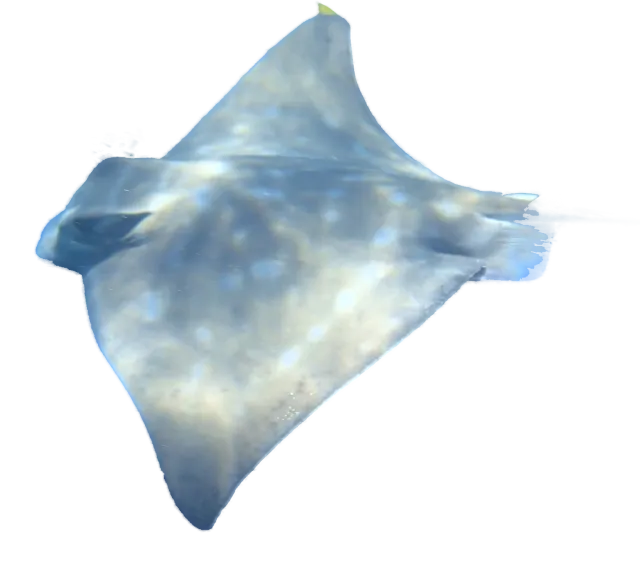
New Zealand's three common rays. All three glide over sand and mud in shallow water, and all carry a venomous spine on the tail.
Which shark is this?
The quickest ways to tell New Zealand's common sharks and rays apart. Open a species for photos, lookalikes and more on how it lives.
| Species | Look for | Where it lives | Grows to | Status |
|---|---|---|---|---|
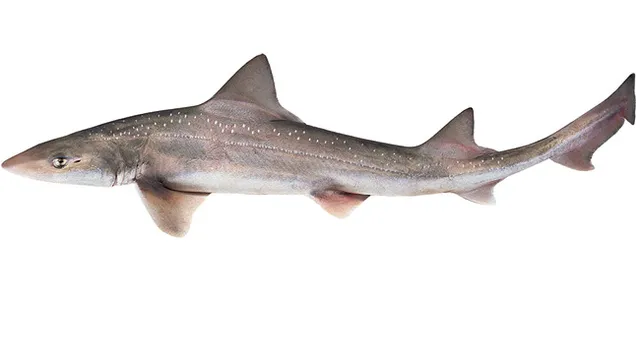
| Rig | Bronze to grey back with many small white spots; no fin spines | Harbours, estuaries and shallow bays, crowding in over spring and summer | 1.5 m | Endemic |
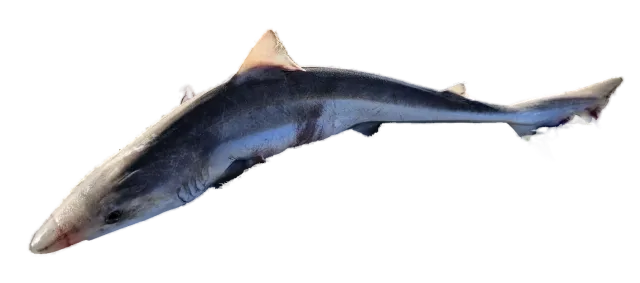
| School shark | Plain grey, with no spots or spines; long pointed snout; big flag-like tip on the upper tail | All round the coast, inshore in summer and offshore in winter | 1.75 m | |
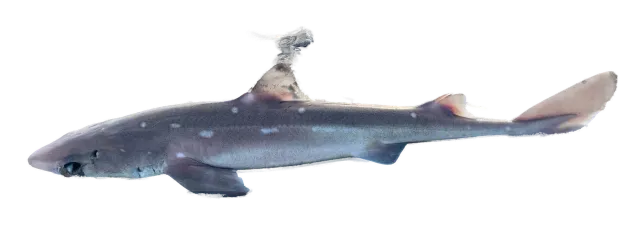
| Spiny dogfish | Sharp spine in front of each dorsal fin; scattered white spots | Very common around the South Island, near the bottom | 1.1 m | |
| Carpet shark | Stocky and golden brown with dark saddles; broad flat head; swells up with water or air | Reefs and nearby sand, all round New Zealand | 1 m | Endemic |
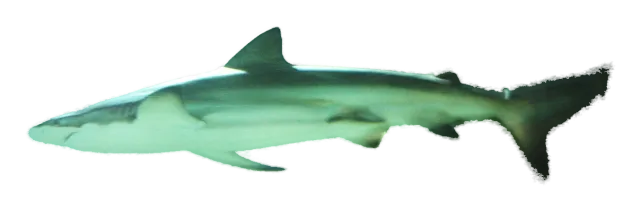
| Bronze whaler | Large and heavy; bronze back, cream belly, broadly rounded snout | Harbours, bays and surf beaches of the upper North Island in summer; the shark divers see most | 3 m | |
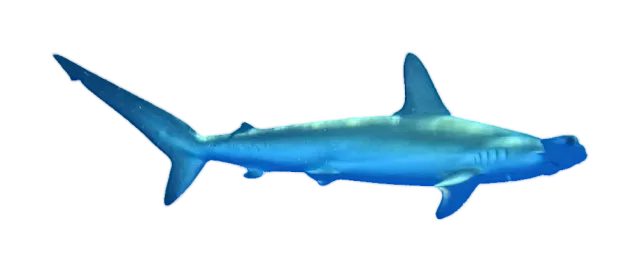
| Hammerhead | Flat, hammer-shaped head with the eyes at the ends | Northern harbours and bays in summer, which are nurseries for the young | 4 m | |
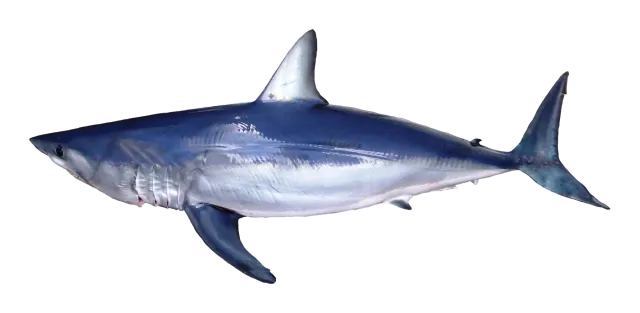
| Mako | Slim, with an indigo-blue back, pointed snout and long smooth teeth that show | Open ocean all round New Zealand, most common in the north | 4 m | |
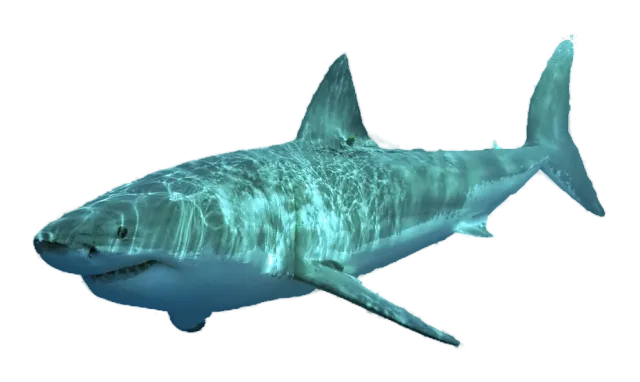
| Great white | Big and heavy; grey above, sharply white below; blunt snout, large saw-edged teeth | All round New Zealand, most often near seal colonies | 6.4 m | Protected |
| Basking shark | Huge, with a pointed snout, a vast open mouth and gill slits that almost circle the head; often seen as a big fin at the surface | Once in schools off Kaikōura and Banks Peninsula; now rarely seen | 10.4 m | Protected |
| Whale shark | Huge, with a broad flat head and a checkerboard of pale spots and stripes | Northern waters in summer, following the East Auckland Current | 13.7 m | Protected |
| Stingrays | Large, flat, dark and round-winged, with a venomous barb on the tail | Sand and mud in harbours, bays and off beaches | 4.3 m including the tail | |
| Eagle ray | Pointed wings it flaps like a bird; head sticks out in front; thin whip tail | Harbours, estuaries and reefs, mostly from Cook Strait north | 2 m | |
| Manta and devil rays | Very large and diamond-shaped, with horn-like fins either side of the mouth; often at the surface | Open water off the upper North Island, spring to autumn | 6.7 m across | Protected |
Where sharks live in New Zealand
Most of New Zealand's sharks and rays live where few people ever see them: on the upper continental slope, between about 200 and 1800 m deep, where dogfishes and skates are the most varied groups.
Closer to shore, the familiar species are rig, school shark, spiny dogfish, the short-tail stingray and the eagle ray. Large sharks over about 1.5 m, including the broadnose sevengill, thresher, mako, great white, bronze whaler, blue shark and smooth hammerhead, are mostly met in coastal waters in spring and summer, when many move inshore to give birth and feed.
Northern harbours and bays are nurseries. Young hammerheads gather in the shallows of the upper North Island over summer, and newborn and young great whites are mostly recorded in shallow coastal waters around the top half of the North Island.
Protected sharks and rays
Seven sharks and rays are absolutely protected under Schedule 7A of the Wildlife Act 1953: the great white shark, basking shark, oceanic whitetip shark, smalltooth sand tiger (deepwater nurse shark), whale shark, oceanic manta ray and spinetail devil ray. Great whites have been protected since 2007, whale sharks and the two rays since July 2010, basking sharks since December 2010 and oceanic whitetips since 2013.
Killing, keeping, buying or selling a protected shark or ray is an offence, with a penalty of up to 2 years in prison, a fine of up to $250,000, or both. Catching one by accident is not an offence, as long as you release it and report the capture.
If you hook one: keep it in the water if you can. Cut the line as close to the hook as is safe, and don't gaff it, lift it by the tail, head or gills, or cut its fins to free it. Then report the capture to DOC on 0800 362 468 (0800 DOC HOT), by email to sharks@doc.govt.nz, or with the Protected Species Catch app. Photos of the whole animal, its fins and teeth, and the exact location help DOC identify it.
Are sharks dangerous in New Zealand?
Rarely. Te Ara records 44 unprovoked shark attacks in New Zealand between 1852 and 2014, about one fatal attack every 13 years. DOC counts 15 fatal attacks in the 180 years before 2020, and three fatal great white attacks between 2013 and 2024. You are far more likely to drown than to be bitten.
Great whites caused most of the fatal attacks where the shark was identified; mako and bronze whalers have also caused deaths. A third of all attacks happened between Ōamaru and the Otago Peninsula, where seals, dolphins and whales draw sharks close to shore. Dunedin's main beaches have had shark nets since 1969.
Stingrays are not aggressive and only use the barb when stood on or handled. Shuffle your feet in shallow, murky water so rays move away. If you are stung, soak the wound in hot water (40 to 45 °C, as hot as you can stand) for up to 90 minutes and see a doctor, as pieces of barb can stay in the wound.
Sharks in te ao Māori
Sharks were an important food. Kapetā (school shark) and mangō (rig) were caught in large, organised seasonal fisheries, and dried shark kept for a long time, so it was given as koha at hui and tangihanga. Te Rarawa set aside two days a year for shark fishing, the first near the full moon in January. Whai (rays and skates) were taken with nets, lines and spears.
Shark liver oil was mixed with red ochre to make paint, and mako teeth, and occasionally great white teeth, were made into ear pendants. The hammerhead, mangōpare, gives its name to a kōwhaiwhai pattern.
Other sharks you might see
Blue shark (mangō pounamu): slim and bright blue, with long, narrow pectoral fins. Normally offshore, but sometimes comes into large harbours and the surf in summer.
Broadnose sevengill shark (tuatini): seven gill slits, a wide head and many small black spots. Comes into bays and estuaries in spring and summer.
Thresher shark (mangō ripi): the top lobe of the tail is about as long as the rest of the shark. Most common off Northland.
Porbeagle: a stout, dark grey relative of the mako, with a white patch at the back of the first dorsal fin.
Questions
Are there sharks in New Zealand waters?
Yes. At least 113 kinds of shark, ray, skate and chimaera are recorded in New Zealand waters. Most live deep offshore. Near the coast, the most familiar are rig, school shark, spiny dogfish, the stingrays and the eagle ray.
When do sharks come close to shore in New Zealand?
Mostly in spring and summer. Many of the larger sharks, including bronze whalers, hammerheads, mako and great whites, move into coastal waters then to give birth and feed. Rig crowd into harbours and shallow bays over the same months.
What is the biggest shark in New Zealand waters?
The whale shark, the largest fish in the world, which visits northern waters in summer. The basking shark is next: the largest measured in New Zealand was 10.43 m. The biggest predatory shark is the great white, which grows to about 6.4 m.
Which sharks are protected in New Zealand?
The great white, basking, oceanic whitetip, smalltooth sand tiger (deepwater nurse) and whale sharks, plus the oceanic manta ray and spinetail devil ray. All seven are absolutely protected under the Wildlife Act 1953. Release any you catch and report it to DOC.
Are stingrays dangerous?
Only if you stand on or handle one. The tail barb is venomous and causes a painful wound. Shuffle your feet in shallow water, and if you are stung, soak the wound in hot water and see a doctor.
Is shark finning legal in New Zealand?
No. Shark finning has been banned since 1 October 2014. Commercial fishers must land sharks with their fins attached (blue shark fins may be tied or sewn on), and some quota species can have fins landed separately in proportion to the bodies.
Can you eat shark in New Zealand?
Yes, some. Rig is sold as lemonfish and is a fish and chip shop standard, and school shark is also eaten. Protected sharks, such as the great white, can't be kept.