
Fish finders NZ: what to buy for a kayak, tinny or trailer boat
For most NZ boats, a CHIRP fish finder with down imaging, GPS and a built-in NZ chart covers what you need. Expect about $300 to $600 for a kayak or small dinghy unit, $900 to $2,000 for a trailer boat with a 7 or 9 inch screen, and more for side imaging, live sonar or a launch setup. Fit the transducer carefully: it causes more poor readings than the screen does.
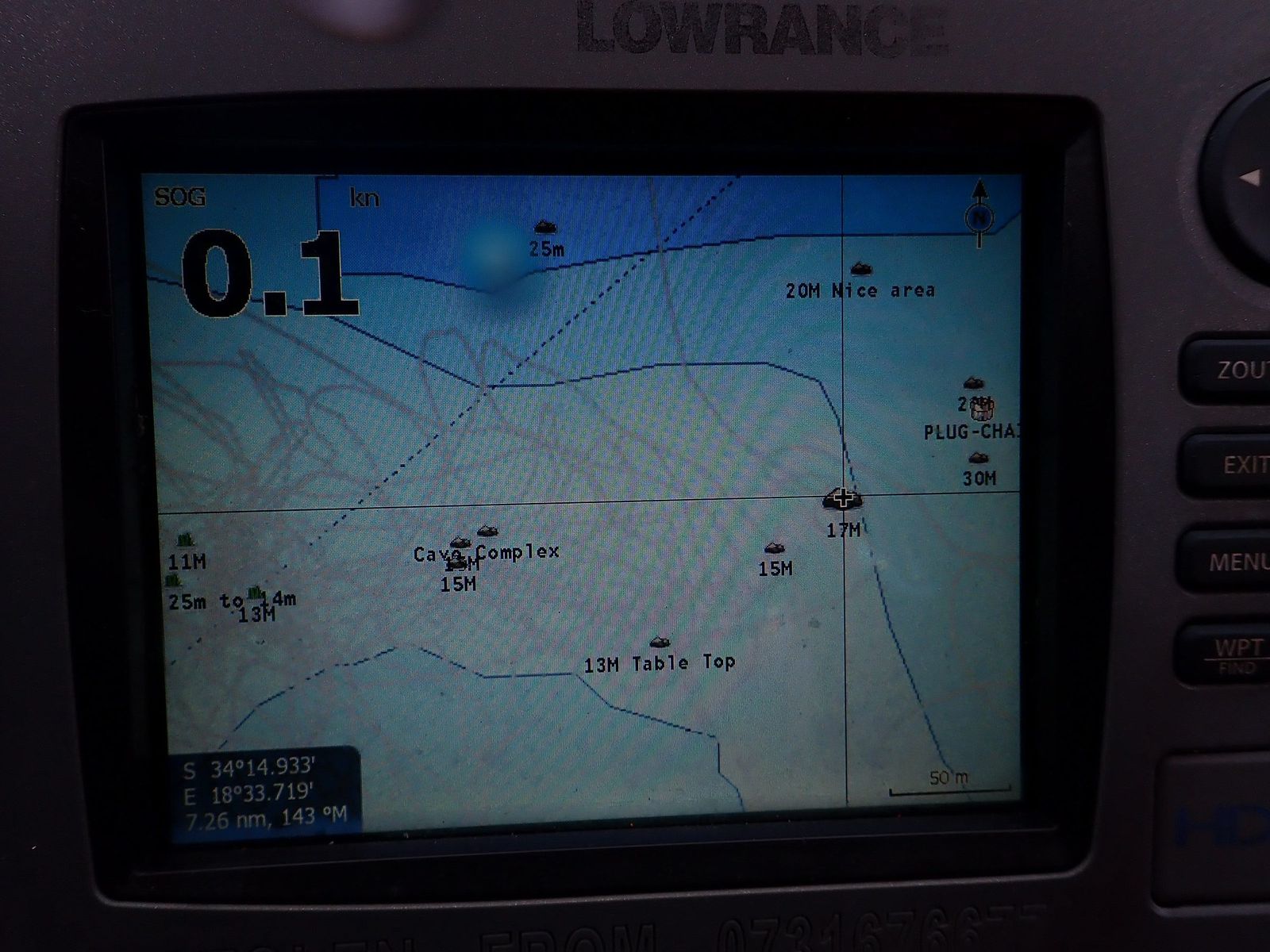
Our shortlist
- 01Best for kayaks and small dinghies
Garmin STRIKER Vivid 4cv
Small, light on power and shows bottom and fish clearly to about 100 m in salt water. A small lithium battery runs it all day. There's no chart, but you can save marks and draw your own depth map.
- 4.3 in screen
- CHIRP and ClearVü down imaging
- GPS marks, no chart
- About 0.4 A draw
$439Check price - 02Best for tinnies and first boats
Garmin ECHOMAP UHD2 55cv
The cheapest way to get a proper NZ chart and a fish finder in one screen. The transom transducer suits aluminium tinnies, where an in-hull mount won't work.
- 5 in screen
- CHIRP and ClearVü
- Navionics+ AU/NZ chart included
- Transom transducer
$879.99Check price - 03Best for trailer boats
Lowrance Elite FS 9 with Active Imaging 3-in-1
A 9 inch screen with side imaging and an NZ chart for about $2,000. Lowrance is the brand NZ boaties mention most.
- 9 in touchscreen
- CHIRP, DownScan and SideScan
- C-MAP AUS/NZ chart included
$1,999 (was $2,701.35)Check price - 04Best for fishing from the shore or rocks
Deeper PRO+ 2
Clip it on and cast it out to see depth, weed and fish in front of you, and map a beach gutter or reef edge as you wind it in.
- Castable, uses your phone
- 3 beams and GPS
- Maps depth as you retrieve
- Up to 9 hours battery
$529Check price
How we chose these
We read 35 fishing.net.nz threads where NZ boaties compare fish finders and ask for buying advice (2017 to 2026), and checked each model’s specifications on the maker’s site. We then checked price and stock on the live product pages at Burnsco, Marine Deals, Smart Marine and Garmin NZ on 24 October 2026, and only list models in stock that day. We haven’t tested these units ourselves. None of the links earns us money (how fishspecies.nz is funded).
What you need for your boat
| Boat | Screen | Must have | Example in stock (24 Oct 2026) |
|---|---|---|---|
| Kayak | 4 to 5 in | CHIRP, GPS for marks, low power draw, kayak transducer mount, small battery | Lowrance Eagle 4x $299, Garmin STRIKER Plus 4 $299, STRIKER Vivid 4cv $439 |
| Shore, wharf or rocks | Your phone | Castable sonar | Deeper START $299, Deeper PRO+ 2 $529 |
| Tinny or dinghy, 3 to 4.5 m | 5 to 7 in | CHIRP, transom transducer, GPS | STRIKER Vivid 5cv $599.99, ECHOMAP UHD2 55cv $879.99 (NZ chart included) |
| Trailer boat, 4.5 to 7 m | 7 to 9 in | NZ chart, CHIRP, down imaging; side imaging if you fish shallow reef | Lowrance Elite FS 7 or 9 $1,799 or $1,999, ECHOMAP UHD2 75sv or 95sv $2,199.99 or $2,499.99, Lowrance HDS-9 PRO $3,499 |
| Launch, 7 m and over | 9 in and up, networked | Through-hull or in-hull transducer, 1 kW sonar for deep water, full NZ chart, radar | Garmin GPSMAP 953xsv $2,999.99 plus transducer, Simrad NSS4 12 $6,999 plus transducer |
Prices are the shelf price at one retailer and vary between shops. The Lowrance Elite FS 9 was $1,999 at Marine Deals and $2,349 at Burnsco and Smart Marine on the same day. Burnsco and Smart Marine also show lower member prices.
The features explained
CHIRP sonar
Older fish finders send each sonar pulse at one frequency. CHIRP sweeps each pulse across a range of frequencies, which separates fish sitting close together or close to the bottom into separate marks. Almost every unit on sale now uses CHIRP; the Lowrance Eagle 4x is an exception.
Down imaging and side imaging
Both use thin, high-frequency beams to draw a near-photographic picture of the bottom.
- Down imaging looks straight down. Garmin calls it ClearVü, Lowrance DownScan and Humminbird Down Imaging. It shows reef, wrecks and bait under the boat in detail.
- Side imaging looks out to both sides (Garmin SideVü, Lowrance SideScan). It covers far more ground in one pass, so you can find foul or a reef edge and go back to fish it. It needs a transducer with side elements: look for “sv”, “TripleShot”, “3-in-1” or “SI” in the name.
The higher the frequency, the sharper the picture and the shorter its range. Garmin’s guide puts its UHD ClearVü at about 60 m at the sharpest setting.
Frequency and depth
Low frequencies (such as 50 kHz) reach deeper with a wide beam. High frequencies (200 kHz and up) show more detail in shallower water. Airmar rates one transducer to about 735 m at 50 kHz and about 294 m at 200 kHz. If you fish for hāpuku or bluenose in 150 m or more, plan on a 1 kW transducer, which most small units can’t run.
Makers’ depth figures are best cases. Burnsco publishes its own “realistic in salt water” depths: about 60 m for fish on the smallest units, about 100 m on a STRIKER Vivid or ECHOMAP UHD2 7 inch, and 150 m on an Elite FS with Active Imaging.
Live sonar
Live sonar shows a moving, real-time picture of fish and your lure in front of or below the boat, rather than a scrolling history. Garmin LiveScope and Lowrance ActiveTarget are the main systems. It’s an add-on: the transducer alone costs about $3,300 to $3,900, and you need a compatible display, ideally 9 inches or more. Garmin quotes LiveScope 2 to about 76 m. It’s usually mounted on a bow electric motor or a pole.
Transducers and mounting
| Mount | Suits | Watch out for |
|---|---|---|
| Transom | Trailer boats and tinnies, any hull material | Needs clean water flow; not for inboards or stepped hulls |
| Through-hull | Launches and bigger boats | Needs a hole in the hull; usually a professional fit |
| In-hull (shoots through the hull) | Solid fibreglass hulls | Doesn’t work through aluminium, wood or cored hulls |
| Kayak in-hull or scupper arm | Sit-on-top kayaks | Needs a flat section of hull |
| Trolling motor | Bow-mount electric motors | Points wherever the motor points |
Aluminium boats need a transom mount. Fit it where water flows smoothly off the hull, clear of strakes, rivets and the propeller.
NZ charts
| Unit | NZ chart included? |
|---|---|
| Garmin STRIKER range, Lowrance Eagle 4x | No chart. You can save marks, and Garmin’s Quickdraw draws your own depth map |
| Garmin ECHOMAP UHD2 and GPSMAP | Yes: Navionics+ AU/NZ, activated in the ActiveCaptain app, with a year of updates |
| Lowrance Eagle 5, 7, 9 and Elite FS | Yes: a C-MAP AUS/NZ chart |
| Simrad NSS4, Humminbird HELIX | No. A chart card costs about $180 to $400 |
Power
Boat units run off the 12 V battery and draw little, about 0.4 A for a STRIKER Vivid 4cv and 1.5 to 1.7 A for an ECHOMAP UHD2 7 or 9 inch. On a kayak, a 7 Ah lithium battery (about $100) runs a small unit all day.
Buy the screen you can read in the sun and learn it properly. A basic unit you understand will find more fish than a flash one you don’t.
Brand notes
Garmin sells the widest range in NZ shops, from the STRIKER (no chart) to the ECHOMAP and GPSMAP chartplotters, which include Navionics+ AU/NZ. LiveScope is its live sonar.
Lowrance is the brand NZ boaties mention most on the forums. The Eagle is the entry range (it replaced the HOOK Reveal in NZ shops), Elite FS the mid range and HDS PRO the top. Most come with a C-MAP AUS/NZ chart.
Simrad is Lowrance’s sister brand, aimed at bigger boats. Its entry GO and Cruise units weren’t in stock at the NZ retailers we checked.
Humminbird has a smaller NZ presence. The HELIX 7 was in stock; the HELIX 5 was special order only.
Furuno and Raymarine are mostly fitted to launches and bigger boats, often by a marine electronics installer.
Questions
What is the best fish finder for a small boat in NZ?
For a tinny or small trailer boat, a 5 to 7 inch CHIRP unit with down imaging, GPS and a built-in NZ chart covers most fishing. Garmin's ECHOMAP UHD2 55cv ($879.99 at Burnsco on 24 October 2026) includes Navionics+ AU/NZ. Use a transom-mount transducer on an aluminium hull.
Do I need side imaging?
Not to start with. Side imaging shows structure out to each side, which is useful for finding reef and foul in shallow water, but many owners say they rarely use it. CHIRP sonar and down imaging do most of the work.
Is live sonar worth it?
Only if you fish a lot for kingfish or other fish you can see and target, and have a 9 inch or bigger screen. Live sonar costs about $3,300 to $3,900 for the transducer alone and works to about 75 m.
Do fish finders come with NZ charts?
Some do. Garmin's ECHOMAP and GPSMAP units include Navionics+ AU/NZ, and Lowrance Eagle and Elite FS units come with a C-MAP AUS/NZ chart. Garmin STRIKER and the Lowrance Eagle 4x have no chart. Simrad NSS and Humminbird units need a chart card, which costs about $180 to $400.
Why is my fish finder losing the bottom at speed?
Usually the transducer position. Air bubbles from the hull, strakes or rivets in front of the transducer break up the signal. Move it to where water flows cleanly off the transom, and set it just below the hull, square to the water.
Sources (8)
- Garmin, transducer selection guide (PDF)
- Garmin, Benefits of CHIRP sonar technology
- Garmin NZ, LiveScope 2 launch (12 July 2026)
- Garmin, ECHOMAP UHD owner's manual, activating a chart subscription
- Airmar, M260 transducer (beam width and depth by frequency)
- Raymarine, Types of transducers
- Boating NZ, C-MAP Discover and Reveal charts
- Marine Deals, Burnsco, Smart Marine and Garmin NZ product pages (prices and stock, 24 October 2026)