
Life jackets in NZ: the new rule, sizing and which to buy
Since 9 October 2026, everyone on a recreational craft 6 metres or shorter must wear a properly fitted lifejacket while it's underway, anywhere in New Zealand. On bigger boats you must carry one for everyone and wear it when risk is higher. Foam suits children and paddlers; inflatables suit adults on bigger boats.
Do I have to wear one?
The national rule from 9 October 2026, for your boat and what you're doing.
Yes, wear it.
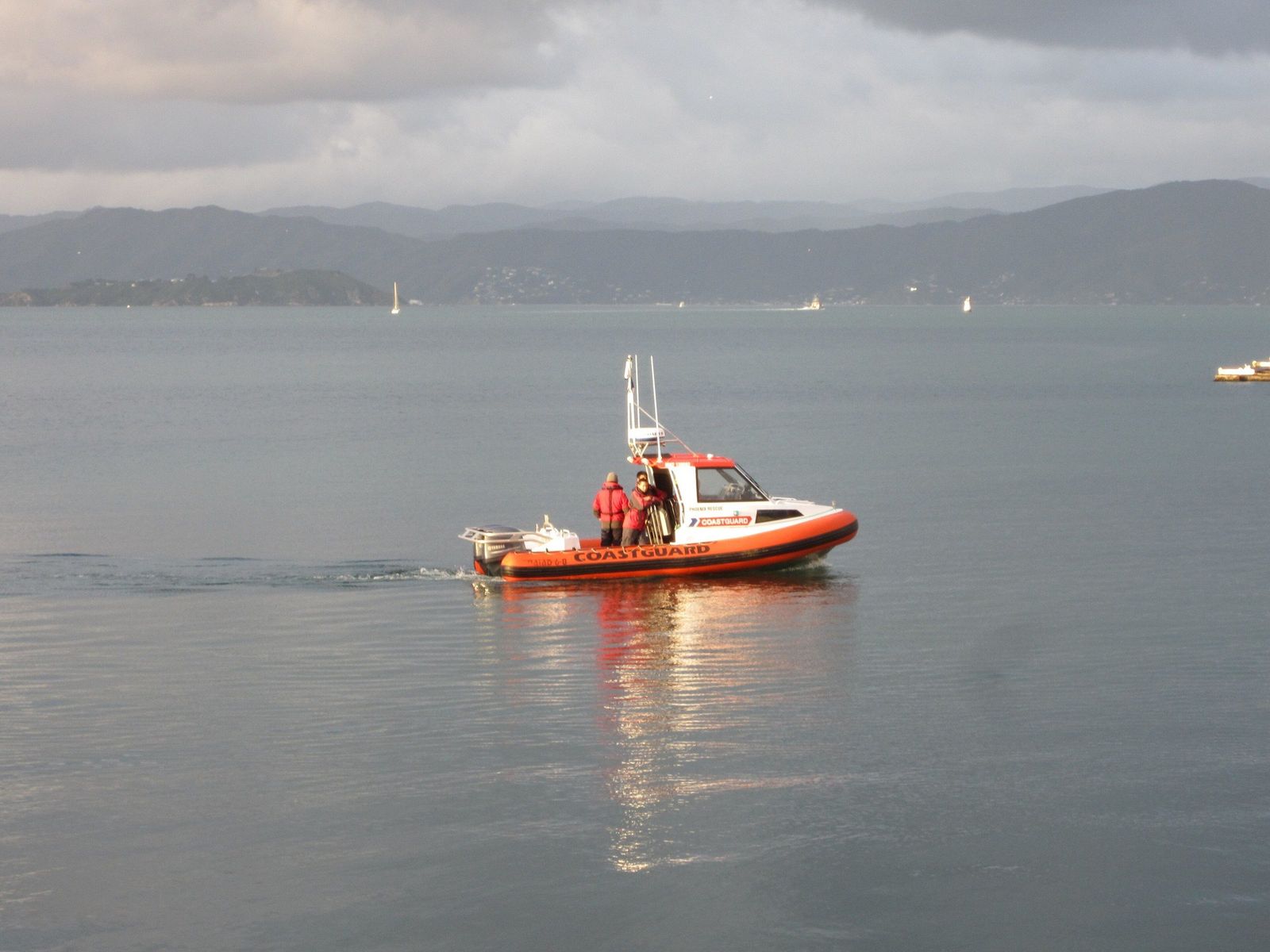
Everyone on a recreational craft 6 metres or shorter must wear a properly fitted lifejacket while it's underway.
Every boat must carry a lifejacket that fits each person on board. The skipper is responsible for making sure they fit and are worn.
Find the right lifejacket
Foam jacket or inflatable jacket
On calm harbours and lakes either works. Foam floats with nothing to activate; an inflatable is lighter, so you're more likely to keep it on all day.
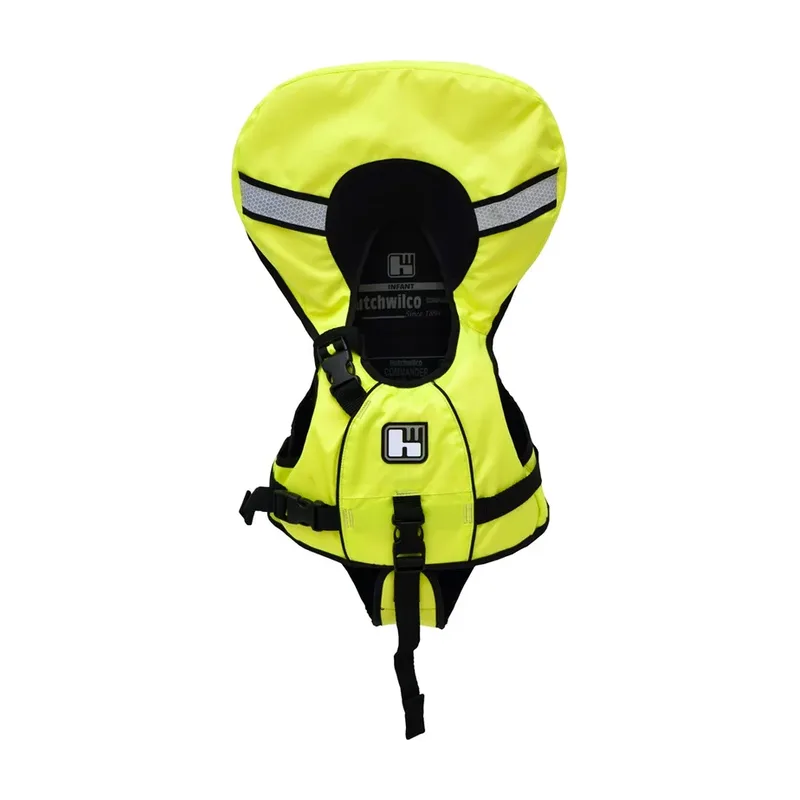 Foam jacket · Baby
Hutchwilco Commander Classic Hi-Viz Infant
- Wearer
- 5–10 kg
- Crotch strap
- Included
- Standard
- 402, AS4758 (1)
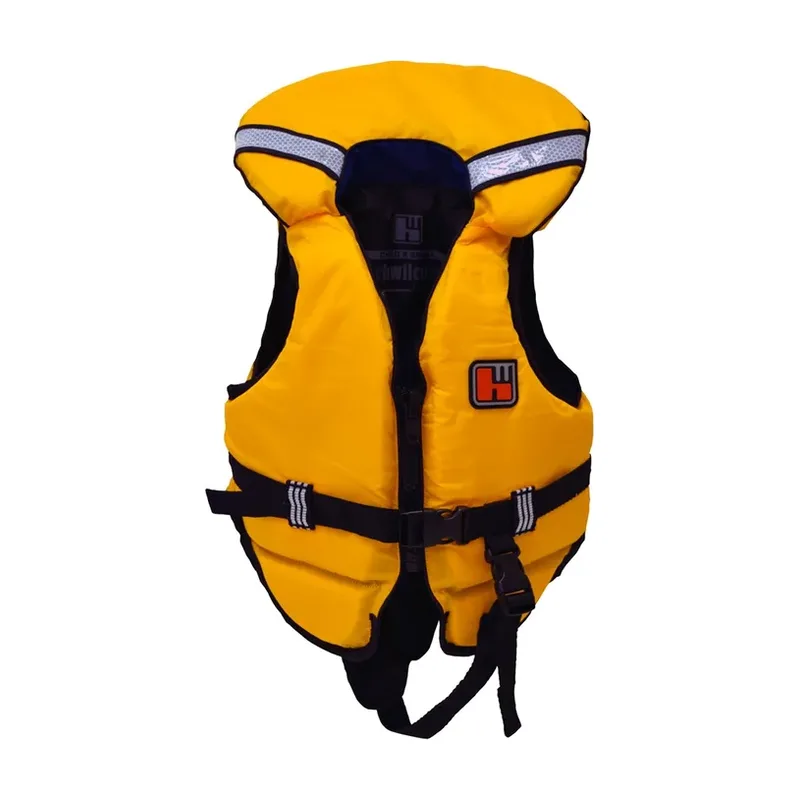 Foam jacket · Baby
Hutchwilco Mariner Classic (Child XXS)
- Wearer
- 10–15 kg
- Crotch strap
- Included
- Standard
- 402, AS4758 (1)
$109.99See it at Racers Edge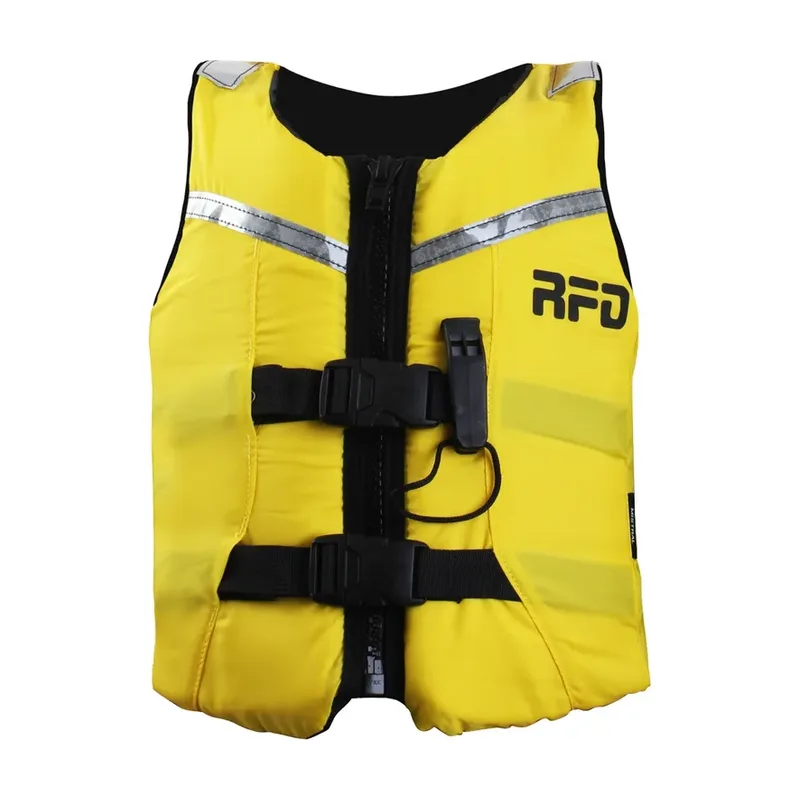 Foam jacket · Baby
RFD Mistral Kids (Child XS)
- Wearer
- 10–15 kg
- Crotch strap
- Included
- Standard
- Type 402, NZS 5823: 2005
- grab handle
- head support
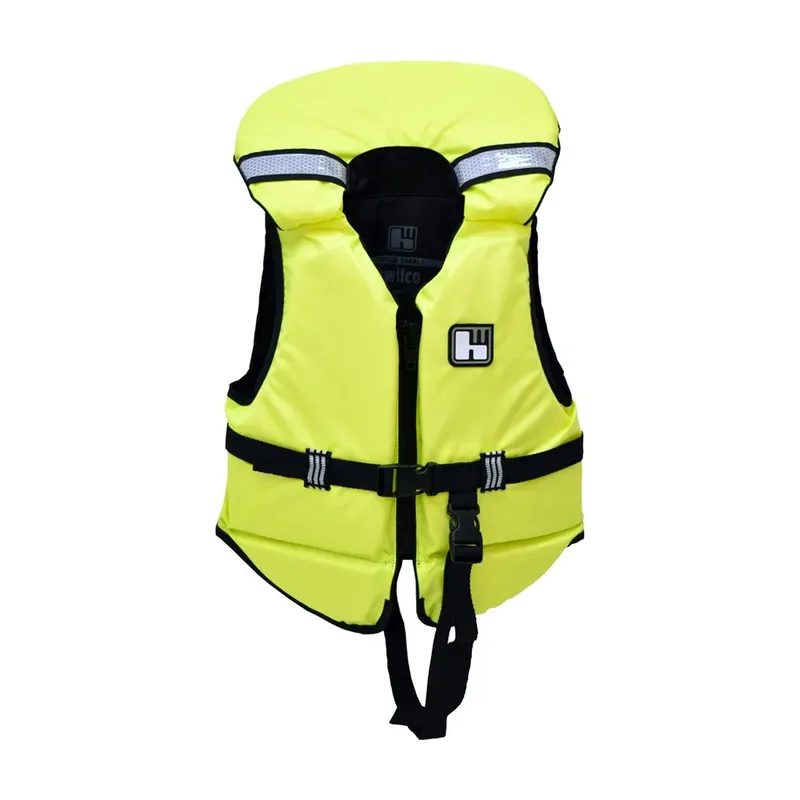 Foam jacket · Child
Hutchwilco Commander Hi-Viz Child (Medium)
- Wearer
- 22–40 kg
- Crotch strap
- Included
- Standard
- NZS 5823, 402
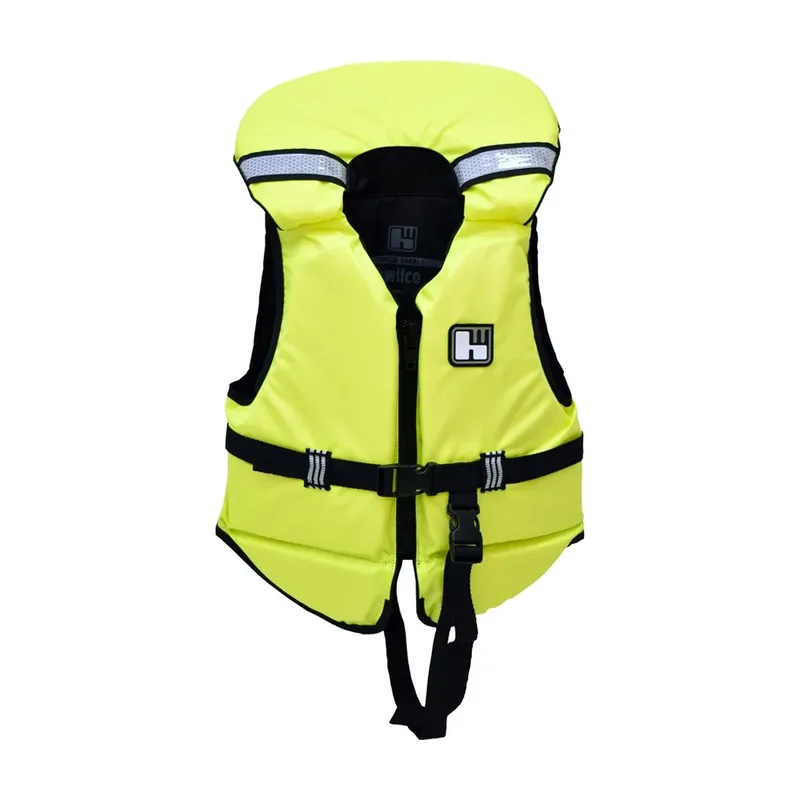 Foam jacket · Child
Hutchwilco Commander Hi-Viz Child (Small)
- Wearer
- 12–25 kg
- Crotch strap
- Included
- Standard
- NZS 5823, 402
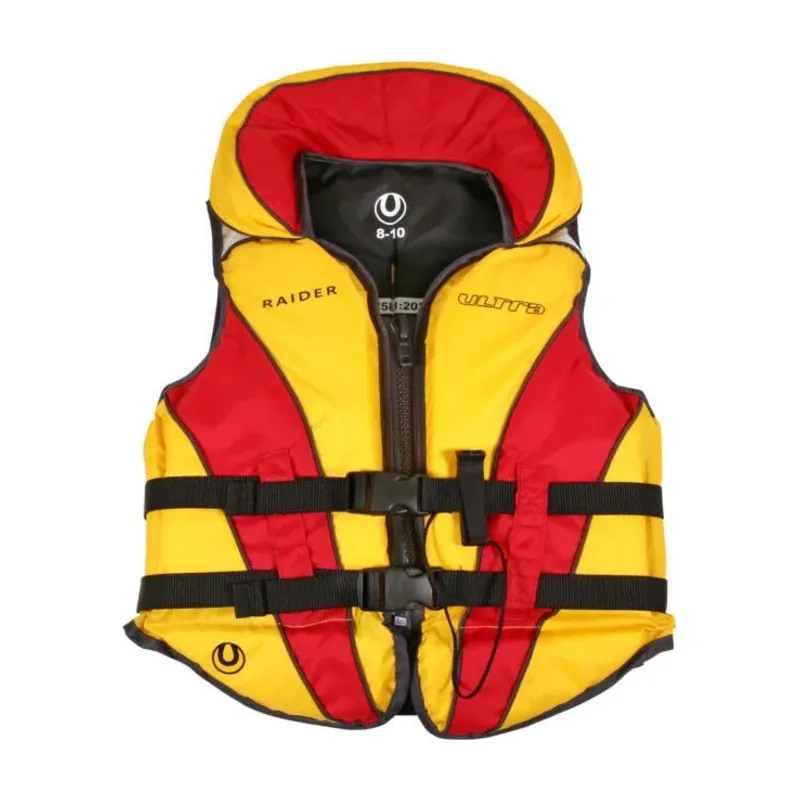 Foam jacket · Child
Ultra Raider Child Lifejacket (CXS)
40 N- Wearer
- 12–25 kg
- Crotch strap
- Included
- Standard
- AS 4758.1 2022
- head support
$99.99See it at Burnsco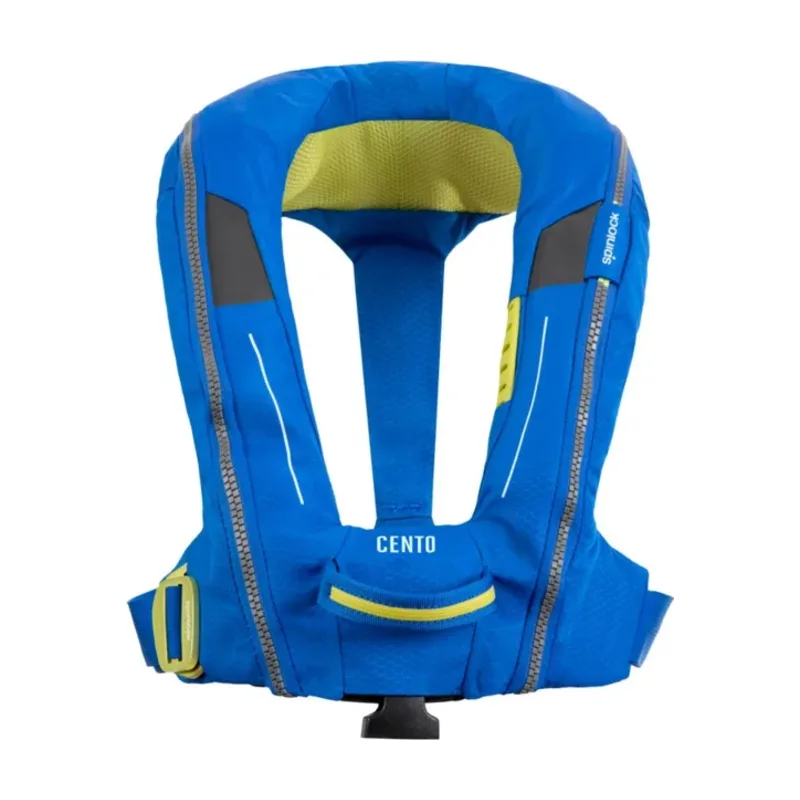 Inflatable jacket · Child
Spinlock Deckvest CENTO Junior
100 N- Wearer
- 20–50 kg
- Inflates
- Automatically
- Crotch strap
- Included
- Standard
- ISO 12402-3
- harness
- whistle
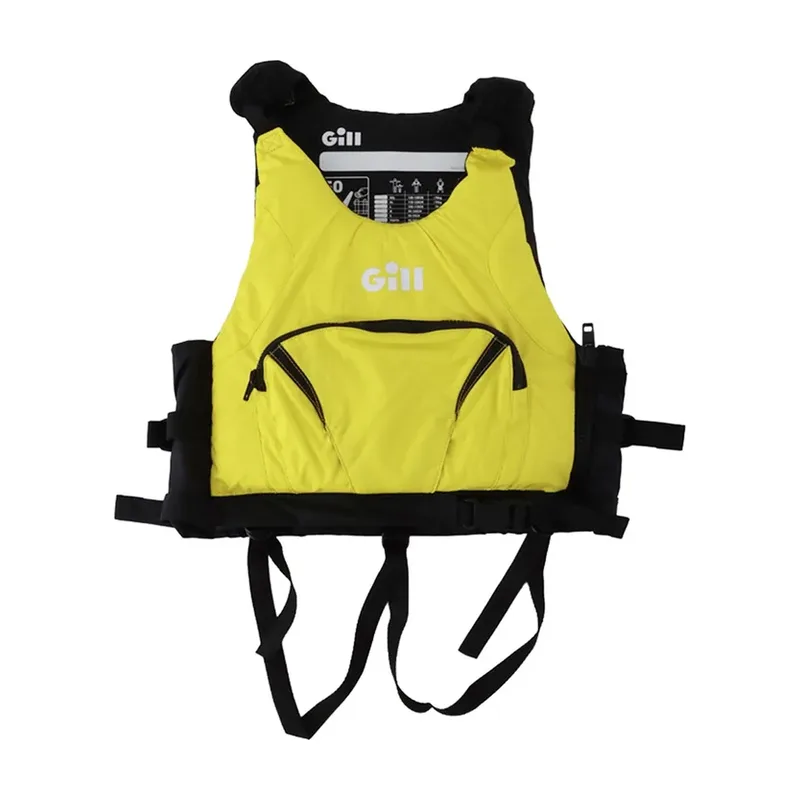 Buoyancy vest · Child
Gill Junior Pro Racer 50N
50 N- Wearer
- 30–40 kg
- Crotch strap
- Included
- Standard
- ISO 12402-5 (50 Newton)
- pockets
- reflective tape
$99.99See it at Marine Deals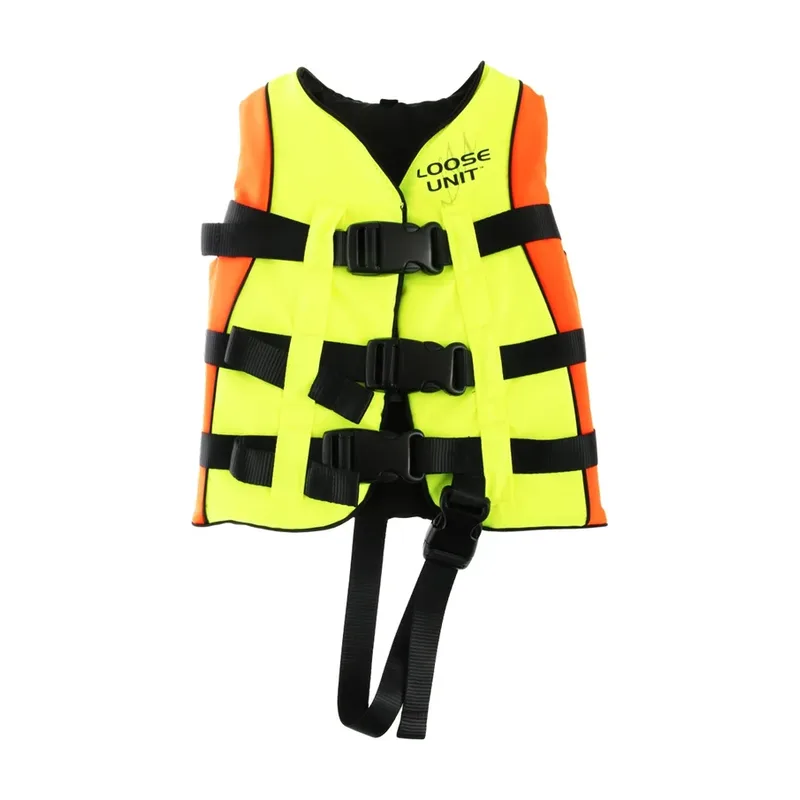 Buoyancy vest · Child
Loose Unit Adjustable Hi-Viz Level 50 Kids Vest (Small)
50 N- Crotch strap
- Included
- Standard
- Level 50 buoyancy aid (AS4758.1:2015)
$99.99See it at Marine Deals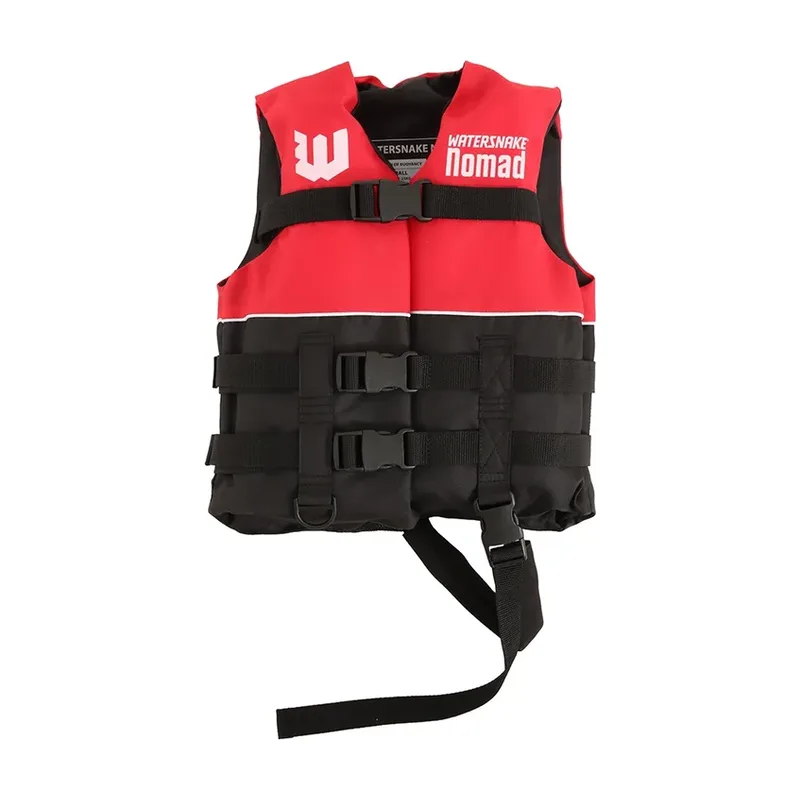 Buoyancy vest · Child
Watersnake Nomad Level 50 Kids (Small)
50 N- Wearer
- 12–25 kg
- Standard
- Level 50, AS4758.1:2015
$44.99See it at Marine Deals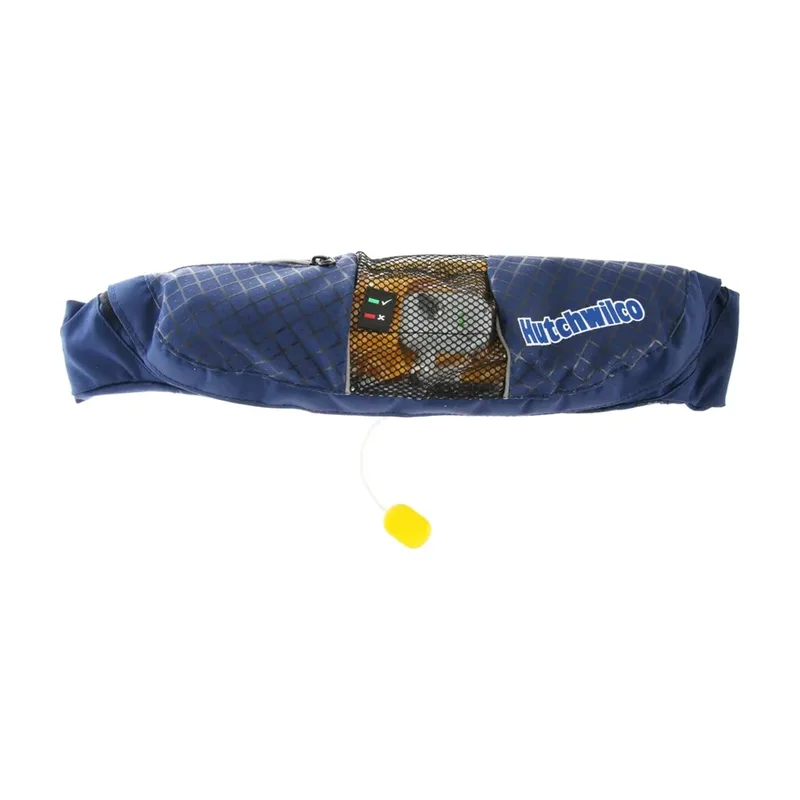 Belt-pack inflatable · Adult
Hutchwilco 150N Inflatable Waistbelt
150 N- Inflates
- Manual pull
- Crotch strap
- None
- Standard
- AS4758
- pockets
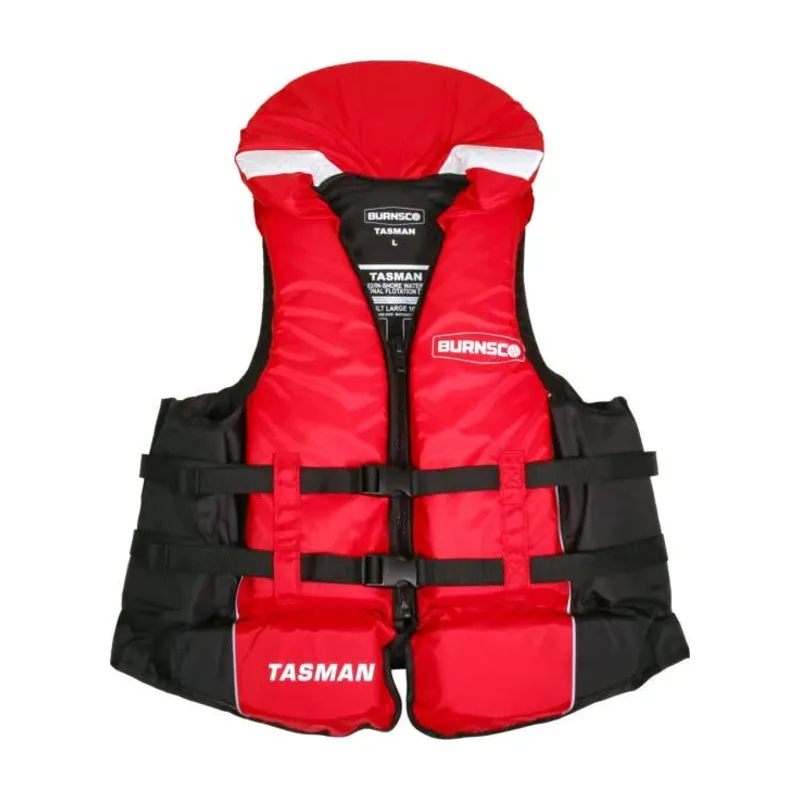 Foam jacket · Adult
Burnsco Tasman Adult
71 N- Wearer
- 40 kg and over
- Crotch strap
- None
- reflective tape
$89.99See it at Burnsco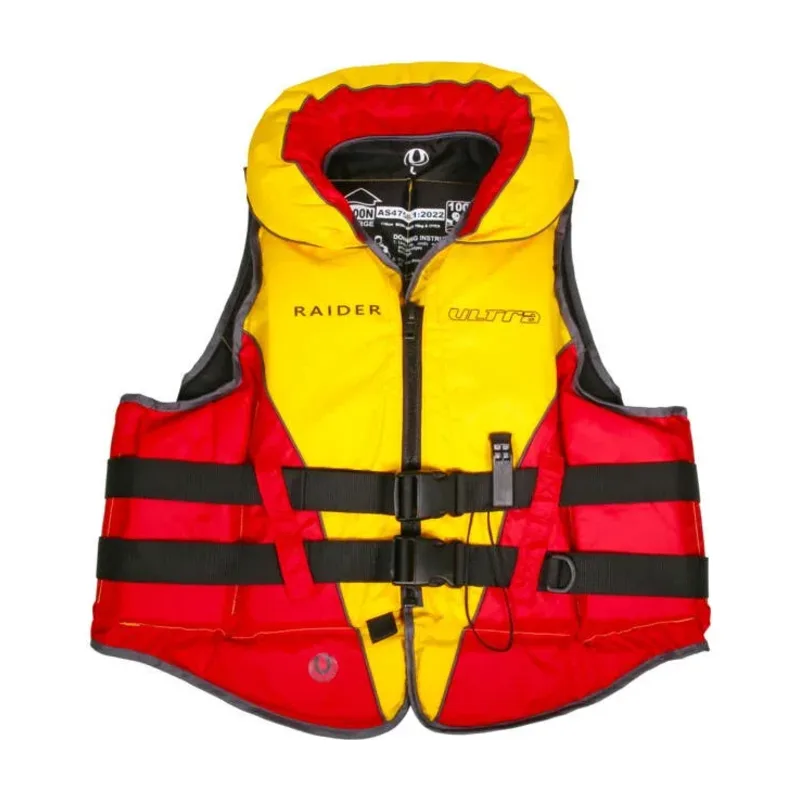 Foam jacket · Adult
Ultra Raider Adult
70 N- Wearer
- 40 kg and over
- Standard
- AS 4758.1 2022
- head support
$119.99See it at Burnsco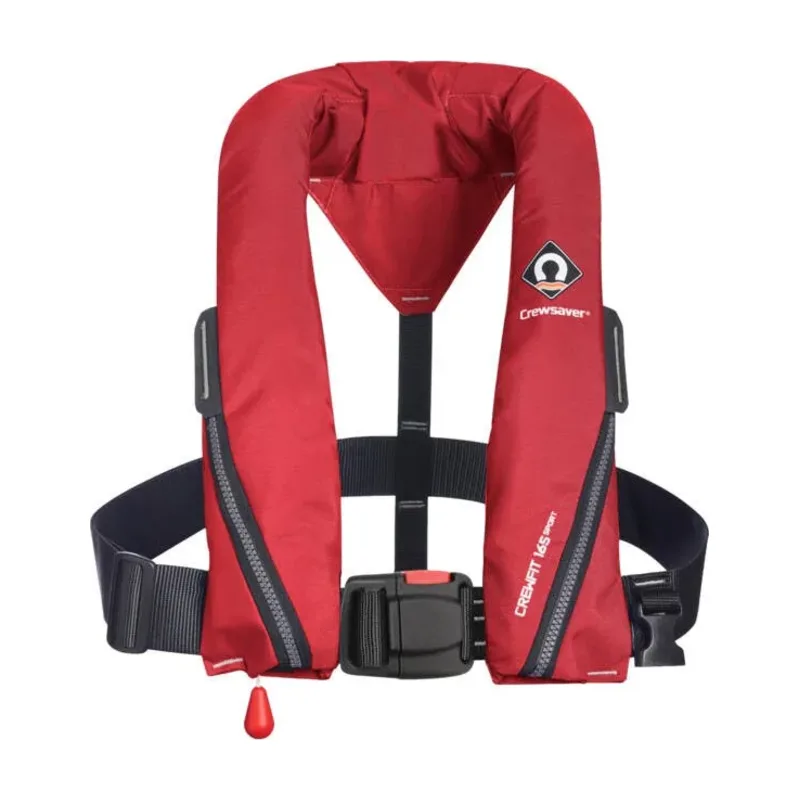 Inflatable jacket · Adult
Crewsaver Crewfit 165N Auto
165 N- Wearer
- 40 kg and over
- Inflates
- Auto, with manual pull
- Crotch strap
- Included
- head support
$189.99See it at Burnsco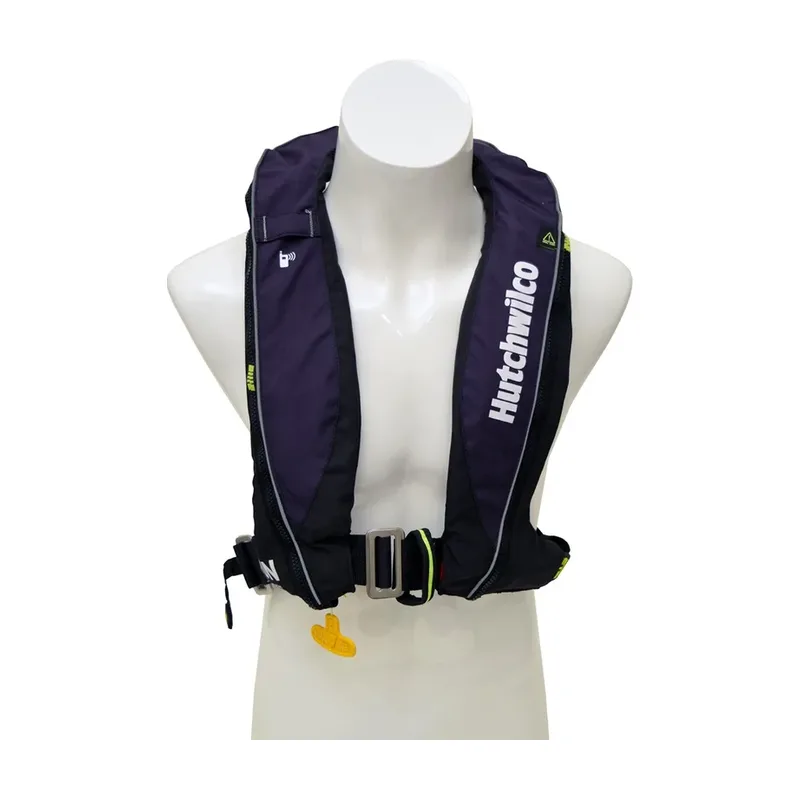 Inflatable jacket · Adult
Hutchwilco Super Comfort 170N Auto with Deck Harness
170 N- Inflates
- Automatically
- Crotch strap
- Included
- Standard
- AS4758, LEVEL 150
- harness
- head support
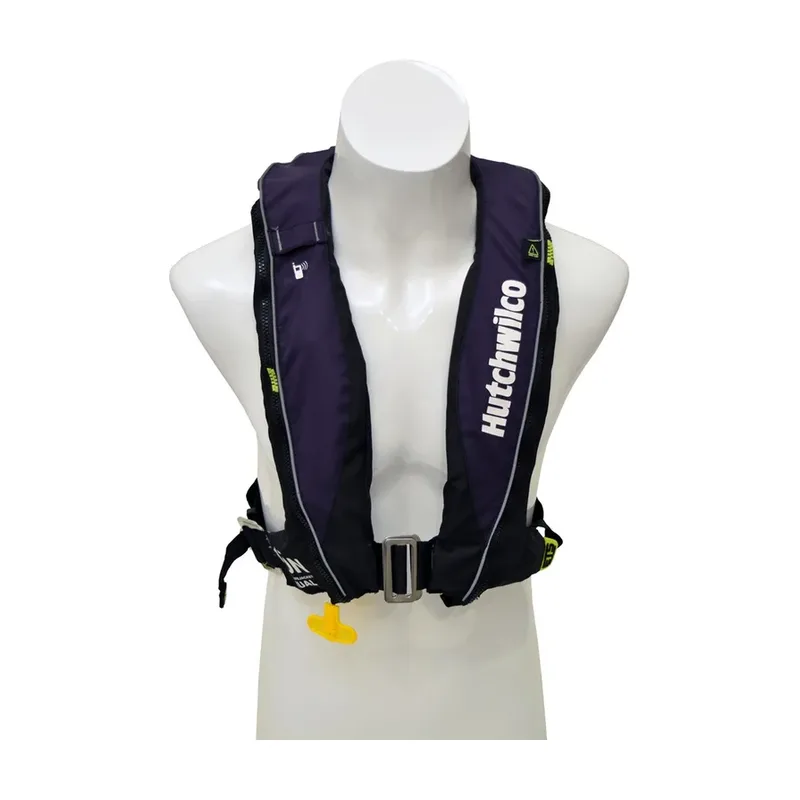 Inflatable jacket · Adult
Hutchwilco Super Comfort 170N Manual
170 N- Inflates
- Manual pull
- Crotch strap
- Included
- Standard
- AS4758, LEVEL 150
- head support
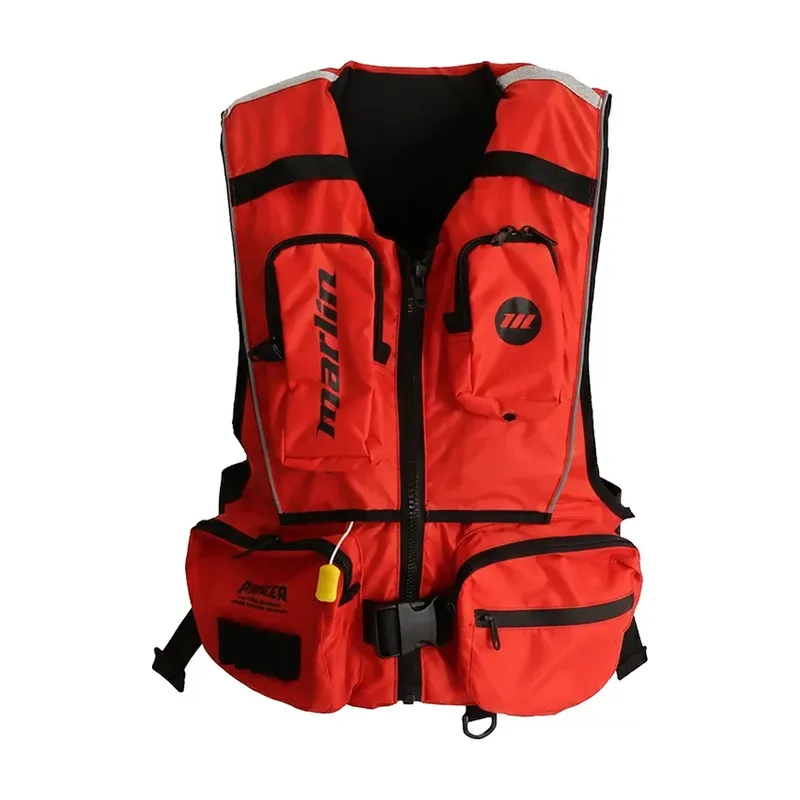 Inflatable jacket · Adult
Marlin Pioneer 150N Inflatable Fishing Vest
150 N- Inflates
- Manual pull
- Standard
- AS4758.1
- pockets
- reflective tape
- whistle
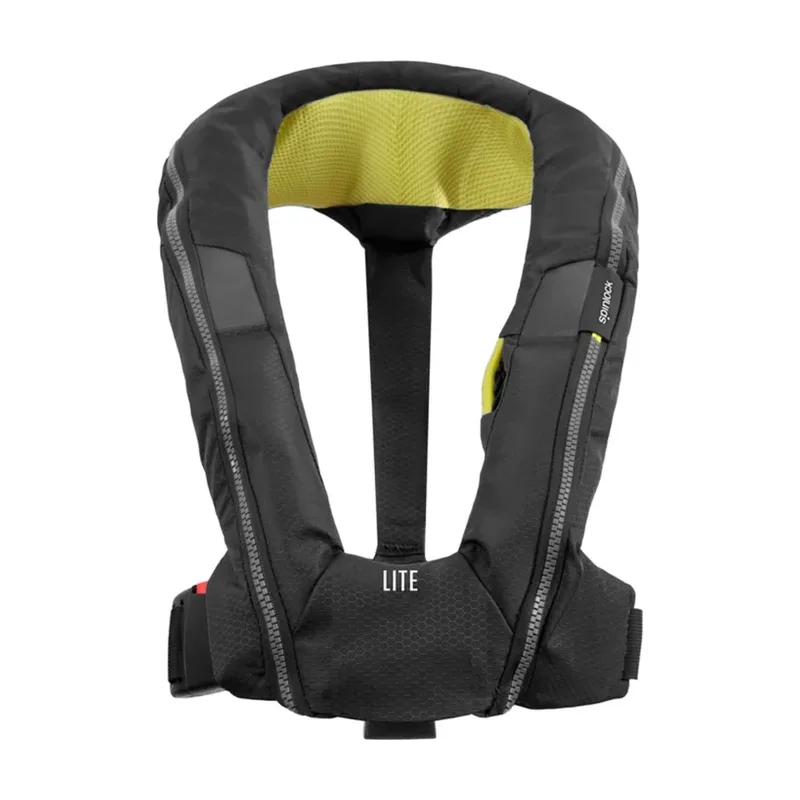 Inflatable jacket · Adult
Spinlock Deckvest LITE 170N
170 N- Wearer
- 50 kg and over
- Inflates
- Automatically
- Crotch strap
- Included
- Standard
- ISO 12402-3 Life jacket (170N)
- reflective tape
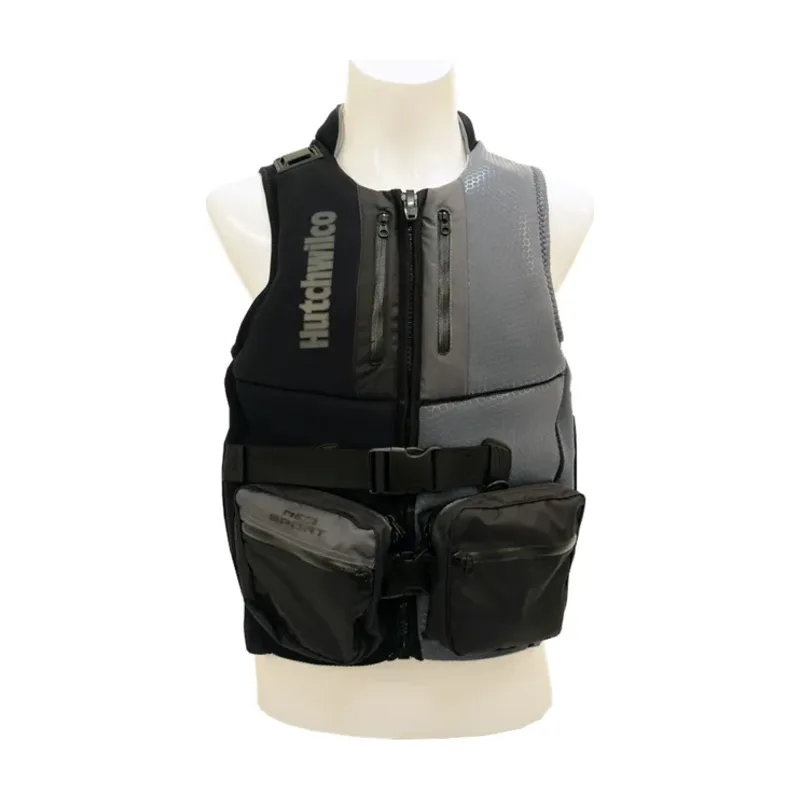 Buoyancy vest · Adult
Hutchwilco Neo Sport Level 50
50 N- Wearer
- 45 kg and over
- Standard
- Level 50 buoyancy aid (AS4758)
- pockets
- grab handle
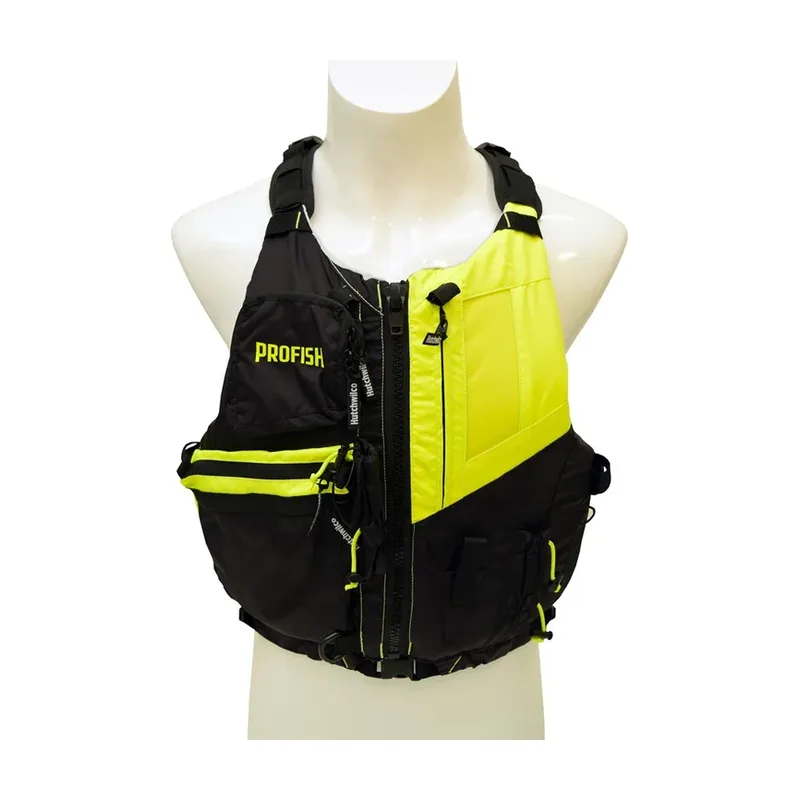 Buoyancy vest · Adult
Hutchwilco Pro Fish Kayak Level 50
50 N- Wearer
- 70 kg and over
- Standard
- LEVEL 50, AS4758.1:2015
- pockets
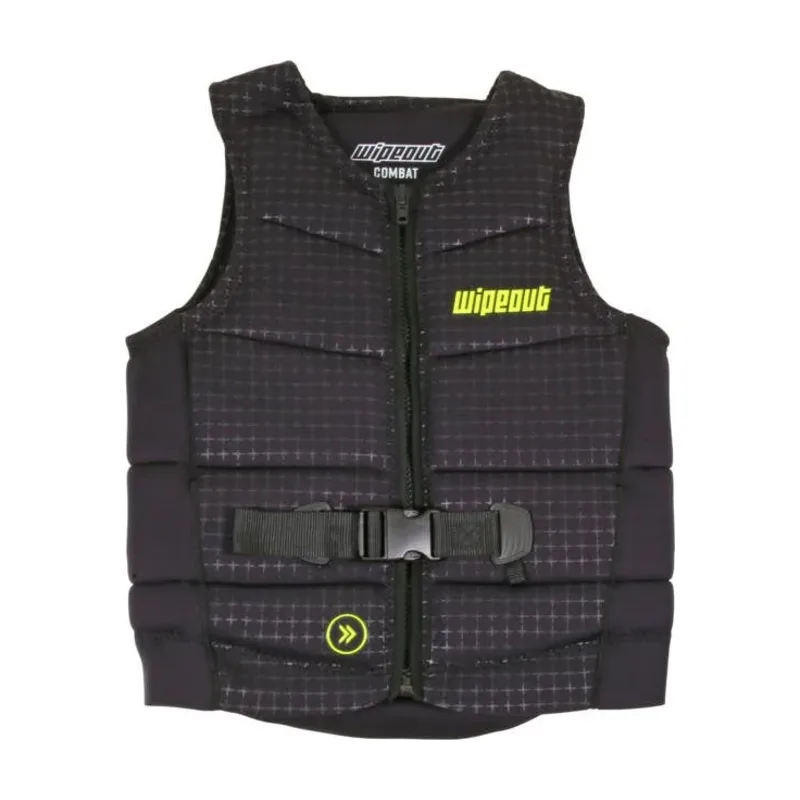 Buoyancy vest · Adult
Wipeout Combat Adult Ski Vest
40 N- Wearer
- 40 kg and over
- Standard
- AS 4758.1:2022
$189.99See it at Burnsco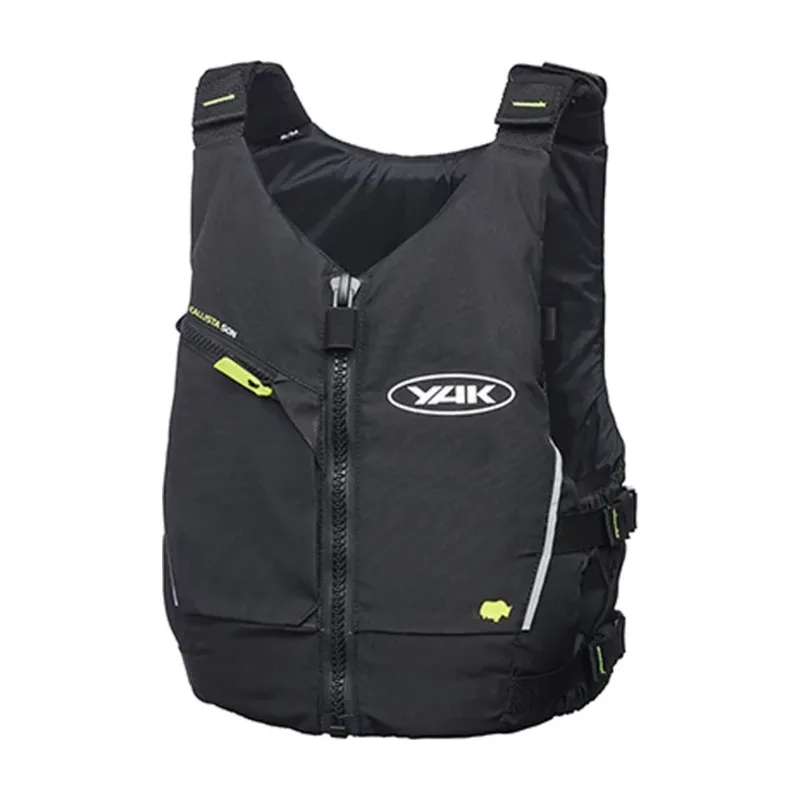 Buoyancy vest · Adult
Yak Kallista 50N Buoyancy Aid
50 N- Wearer
- 40 kg and over
- pockets
- reflective tape
No jacket in our list fits that combination. Try without the weight, or check the types above with a retailer.
Prices from each retailer's site, checked 24 October 2026. Prices change and sales come and go, so check before you buy. Always check the label: it gives the wearer weight range and what the jacket is for.
NZ lifejacket rules
New Zealand has had one national lifejacket wearing rule since Friday 9 October 2026. It replaces the old patchwork of regional bylaws for small craft.
Craft 6 metres and under
Everyone on board a recreational craft 6 metres or shorter must wear a properly fitted lifejacket while the craft is underway. That includes:
- dinghies, tenders and small runabouts
- kayaks and stand-up paddleboards
- jet skis
- small sailing boats and trailer-sailers
Underway means the craft isn’t at anchor, aground or tied to a wharf or the shore. A boat drifting with the engine off is still underway.
The rule applies on all waters: the sea, harbours, estuaries, lakes and rivers. A dinghy trip from a mooring counts, however short.
Length means length overall, measured from bow to stern. It includes permanent structure such as the tubes on an inflatable or RIB, but not fittings that stick out past the bow or stern.
Craft over 6 metres
The earlier rules still apply to all recreational craft, whatever their size:
- carry a lifejacket of an appropriate size for everyone on board, stored so it’s immediately available in an emergency. Maritime NZ notes it’s extremely difficult, if not impossible, to put one on once you’re in the water
- wear them at times of heightened risk, such as crossing a bar, rough seas, strong tides or river flows, poor visibility or night, bad weather, or an emergency
- anyone being towed, such as a water-skier or wakeboarder, must wear one
- the skipper is responsible for everyone’s safety, including making sure lifejackets fit and are worn
Exceptions
The exceptions already in Maritime Rule Part 91 continue, and a swimming exception has been added. You don’t have to wear a lifejacket if you are:
- on a surfboard or similar unpowered craft
- surfing a stand-up paddleboard with a leash on
- windsurfing in a wetsuit
- diving from a craft 6 metres or shorter within 5 miles of shore, wearing a full-body wetsuit the whole time
- in a supervised sporting event or training approved by the Director of Maritime NZ
- swimming from the craft, including getting in and out or jumping in repeatedly
Regional bylaws
Before October 2026, each regional council set its own wearing rules in its navigation safety bylaws. The national rule now takes precedence over any bylaw that conflicts with it. Councils have up to five years to bring their bylaws into line.
Some bylaws have other local rules, such as speed limits and reserved areas, that still apply. Check with your regional council’s harbourmaster for local rules, and see Maritime NZ’s summary of the change.
Penalties
As of 24 October 2026, specific offences and penalties for the new wearing rule haven’t been created yet. The Ministry for Cities, Environment, Regions and Transport is leading that work, and Maritime NZ says they will likely be in place in a few months. In the meantime, Maritime NZ says offences in regional navigation safety bylaws can still be applied where the bylaw is consistent with the national rule. Existing offences, such as causing unnecessary danger or risk under section 65 of the Maritime Transport Act, still apply, and the existing offences for carrying lifejackets and wearing them at times of heightened risk haven’t changed.
What counts as a lifejacket
A lifejacket must meet New Zealand Standard NZS 5823 or an international standard that the Director of Maritime NZ accepts as substantially compliant. NZS 5823 defines lifejacket types 401 to 406. Maritime NZ’s accepted list includes the Australian standard AS 4758 (Level 150, 100 and 50), ISO 12402 and the European and US standards, so an AS 4758 jacket is fine. The rules don’t say which type to wear for each activity, but the label tells you the buoyancy, the intended use and the wearer weight range.
The term “personal flotation device” (PFD) has been replaced by “lifejacket” in the rules, with no change in meaning.
Types: foam vs inflatable vs buoyancy vest
- Buoyancy vest (Type 403)around 50 N
- Foam jacket, inshore (Type 402)at least 71 N
- Inflatable, open water (Type 401)150 N, some up to 300 N
Newtons of buoyancy: each 10 N holds up about 1 kg in water. Open-water inflatables are designed to turn an unconscious wearer face-up; foam inshore jackets and vests won't reliably do that.
| Type | Buoyancy | Best for | Watch out for |
|---|---|---|---|
| Inflatable, open water (Type 401) | At least 150 N | Offshore boating, charter fishing, rough water, adults on bigger boats | Needs yearly checks and a new gas cylinder after use. Not recommended for jet skis, kayaks or towing. |
| Foam collared jacket, inshore (Type 402) | At least 71 N | Calm harbours, lakes, children, people less confident in the water | Bulkier. Won’t reliably turn an unconscious person face-up. |
| Buoyancy vest (Type 403) | Lower, around 53 N | Kayaking, paddleboarding, water-skiing, sailing near shore | Less buoyancy. For experienced users in calm water. |
Inflatable lifejackets
Inflatables are light and comfortable, which makes people more likely to keep them on. They inflate automatically when wet, or manually with a pull cord, and all have an oral inflation tube. Open-water inflatables give at least 150 newtons of buoyancy, and some give up to 300 N. They are designed to turn an unconscious wearer face-up.
The downsides: an inflatable gives no flotation at all until it inflates, it has to be checked and serviced every year, it can be punctured, and once inflated it’s hard to swim with or climb back aboard in. Maritime NZ’s guidelines say inflatables are not recommended for jet skis, kayaking (except for experienced kayakers), jet boating or towing sports.
Age and weight limits differ by source. Maritime NZ’s industry guidelines give a minimum of 13 years and 40 kg for adult inflatables, and 8 years and 18 kg for child automatic inflatables. Coastguard suggests inflatables suit people over 14, and Water Safety New Zealand says over 15 and competent in the water. Follow the label on the jacket.
Foam lifejackets
Foam jackets float on their own, with nothing to activate. They are durable, give some protection from the cold, and have a buoyant collar to help keep your head up. Coastguard and Water Safety New Zealand recommend foam for younger children and novice boaters.
Children’s and infant lifejackets
Children must wear a lifejacket on craft 6 metres or shorter, the same as adults. The key points from Coastguard and Water Safety New Zealand:
- Buy a child-sized lifejacket for the child’s weight. An adult lifejacket won’t keep a child’s head above water.
- Don’t buy one to grow into. A loose lifejacket can slip over a child’s head.
- Use a crotch strap. Maritime NZ says they’re mandatory on all child-sized lifejackets. It stops the jacket riding up and stops children slipping out the bottom.
- Fit it snugly, with no more than two finger-widths between the shoulders and the jacket.
- Do the lift test: lift your child by the shoulders of the lifejacket. If they slip out, it’s too big.
- Check the fit as they grow, and try it in the water in a safe, controlled place.
For babies and toddlers, choose a lifejacket made for their weight range: the infant jackets in our list start at 5 kg. Coastguard and Water Safety New Zealand don’t set extra requirements for infant jackets, but makers add features such as a head support and a grab handle. Use the crotch strap and do the lift test.
Lifejackets for kayaking, paddleboarding and fishing
Kayak PFDs and paddleboard lifejackets
Kayaks and paddleboards are covered by the 6-metre rule, so you must wear a lifejacket while paddling. The only paddleboard exception is SUP surfing with a leash.
For paddling, Coastguard recommends a slim buoyancy vest that leaves your arms and shoulders free. Water Safety New Zealand doesn’t recommend inflatable vests for kayaks, but says paddleboarders can use an inflatable belt-style lifejacket. Belt-style inflatables are approved in New Zealand.
Fishing from a boat
Fishing trips mean long hours in the lifejacket, so comfort counts. A foam inshore jacket is fine on a calm harbour. For open water and bar crossings, an open-water inflatable with a crotch strap is the usual choice.
In 2016, eight people died when the charter boat Francie capsized on the Kaipara bar. Coastguard says investigations found that properly fitting lifejackets with crotch straps could have greatly increased their chance of survival.
Fishing from the rocks
The national rule covers craft, not the shore. Water Safety New Zealand strongly recommends always wearing a lifejacket when rock fishing or gathering kaimoana in tidal areas. See our Auckland fishing spots guide for rock fishing safety.
How to size and fit a lifejacket
- Choose one made for your weight range (it’s on the label), and check the size and cut suit your body.
- Do up the zip with slight tension and tighten the buckles so they are under tension.
- It should fit snugly, like a good coat, without riding up your body.
- The collar shouldn’t sit up around your head.
- Fit a crotch strap if the jacket doesn’t come with one and is compatible. Maritime NZ recommends crotch straps in all situations, because even a tightly done-up lifejacket rides up in waves.
- Wear an inflatable over your clothes so you can reach the pull toggle and oral inflation tube.
- Try it on before you leave home, and practise putting it on and taking it off in the water.
Looking after your lifejacket
Every time you wear it
- Check the fabric, straps and buckles for cuts, tears and wear.
- On an inflatable, check the gas cylinder is screwed in firmly and isn’t corroded or pierced, the firing head indicator shows ready (green on many models), and the pull toggle is hanging free, not tucked away.
At least once a year (inflatables)
- Inflate it by mouth and leave it for 24 hours. If it loses air, send it to a service agent.
- Unscrew the gas cylinder and check it’s the right one, isn’t rusty and hasn’t been fired.
- Have it serviced every year. Maritime NZ says inflatable lifejackets need annual servicing; use an approved service agent or the maker’s instructions.
- Replace the cylinder after every inflation.
Hutchwilco 170N manual recall
Hutchwilco is recalling Classic 170N Manual and Super Comfort 170N Manual lifejackets fitted with a Halkey-Roberts V96000 inflator made from June 2021 to May 2022. The indicator can show green when the cylinder isn’t seated properly, so the jacket may not inflate. The recall now also covers replacement V96000 inflators made in April 2025, which may inflate too slowly. The make date is laser-printed on the inflator. If yours is affected, stop using it and follow the steps on Hutchwilco’s recall page: Hutchwilco replaces the lifejacket at its cost. Checked 24 October 2026.
Storage
- Rinse foam jackets in fresh water after use. Wipe auto-inflating jackets with a damp sponge rather than rinsing them.
- Hang them to dry, out of the sun, in a dry, ventilated place.
- Don’t store them folded or squashed under heavy gear.
Second-hand lifejackets
Hand-me-downs and second-hand jackets are fine if they pass the same checks as a new one. Maritime NZ says to make sure it meets an approved standard, suits your activity, has no rips or damage, and fits the person wearing it.
When to replace it
There’s no set expiry in the guidance we checked. Replace a lifejacket if the fabric is torn, brittle or sun-damaged, a foam jacket feels heavy (a sign the foam is waterlogged), or an inflatable won’t hold air.
Where to get one
Lifejackets are sold by marine retailers, outdoor stores and fishing stores. Coastguard’s Old4New programme runs from 16 November 2026 to 31 January 2027 at Hunting & Fishing stores, for people who want to trade in an old lifejacket or get one for the first time. See old4new.co.nz.
Coastguard also offers membership for boaties. For summer gear, see our chilly bin guide, and if you’re heading to the Goat Island marine reserve with kids or a kayak, see our Goat Island snorkelling guide.
Don’t buy a life jacket that’s too hot to fish in. Mine’s an inflatable for exactly that reason: if it’s annoying, it ends up under the seat.
How we chose the lifejackets in the finder
We listed lifejackets on sale from New Zealand marine retailers on 23 October 2026, covering every type and size from infant to adult. Specs and prices come from each retailer’s product page, and the finder’s advice on which type suits which activity comes from Maritime NZ, Coastguard and Water Safety New Zealand.
Before you go
- A lifejacket that fits, for everyone, worn.
- Two waterproof ways to call for help, with one on you.
- Check the marine weather forecast before you go, and keep checking it.
In an emergency, call 111 and ask for Police. For non-urgent help on the water, Coastguard is on *500 or 0800 BOATIE (0800 262 843).
Questions
Do you have to wear a lifejacket in New Zealand?
On a recreational craft 6 metres or shorter, yes, whenever it's underway. That rule applies nationwide from 9 October 2026 and covers dinghies, kayaks, paddleboards, jet skis and small boats. On larger craft you must carry a lifejacket for everyone and wear it at times of heightened risk, such as crossing a bar.
Do children have to wear lifejackets on boats?
Yes, on craft 6 metres or shorter, like everyone else. Children need a child-sized lifejacket for their weight, with a crotch strap. Maritime NZ says crotch straps are mandatory on all child-sized lifejackets. An adult lifejacket won't keep a child's head above water.
How often should an inflatable lifejacket be serviced?
Every year. Maritime NZ says inflatable lifejackets need annual servicing. Check it yourself before each use too, and replace the gas cylinder after every inflation.
How long do lifejackets last?
There's no fixed lifespan in the guidance we checked. Replace a lifejacket when the fabric is torn, brittle or sun-damaged, the buckles or straps are damaged, a foam jacket feels heavy and waterlogged, or an inflatable won't hold air overnight.
Can you drown wearing a lifejacket?
It's possible, which is why fit and type matter. A loose lifejacket can slip off over your head, especially if you're unconscious. Foam inshore lifejackets don't reliably turn an unconscious person face-up. A snug fit and a crotch strap make a big difference.
Do I need a lifejacket for fishing off the rocks?
The national rule covers people on craft, not on shore. Water Safety New Zealand strongly recommends always wearing a lifejacket when rock fishing or gathering kaimoana in tidal areas.
Sources (9)
- Coastguard New Zealand, Lifejacket rules have changed
- Coastguard New Zealand, Lifejacket and safety guidelines
- Water Safety New Zealand, Lifejackets save lives (includes Maritime NZ questions and answers, last updated 8 October 2026)
- Maritime NZ, Inflatable lifejackets for recreational boating, guidelines for choosing, servicing and wearing
- Maritime NZ, Lifejacket wearing rule amendment (last updated 8 October 2026)
- Maritime NZ, Maritime Rules Part 91, consolidation of 9 October 2026 (rule 91.4)
- Hutchwilco, Product recall (Halkey-Roberts V96000 inflators)
- Maritime NZ, Lifejackets (read 23 October 2026)
- Maritime NZ, Types of lifejackets