
Snorkelling Goat Island: what you'll see and how to go
Goat Island is the Cape Rodney–Okakari Point Marine Reserve near Leigh, about an hour and a half's drive north of Auckland. Created in 1975, it was New Zealand's first marine reserve. Snapper, blue maomao, red moki and crayfish are common in the shallows. Nothing can be taken, and DOC advises staying out in strong east or north-east wind or swell.
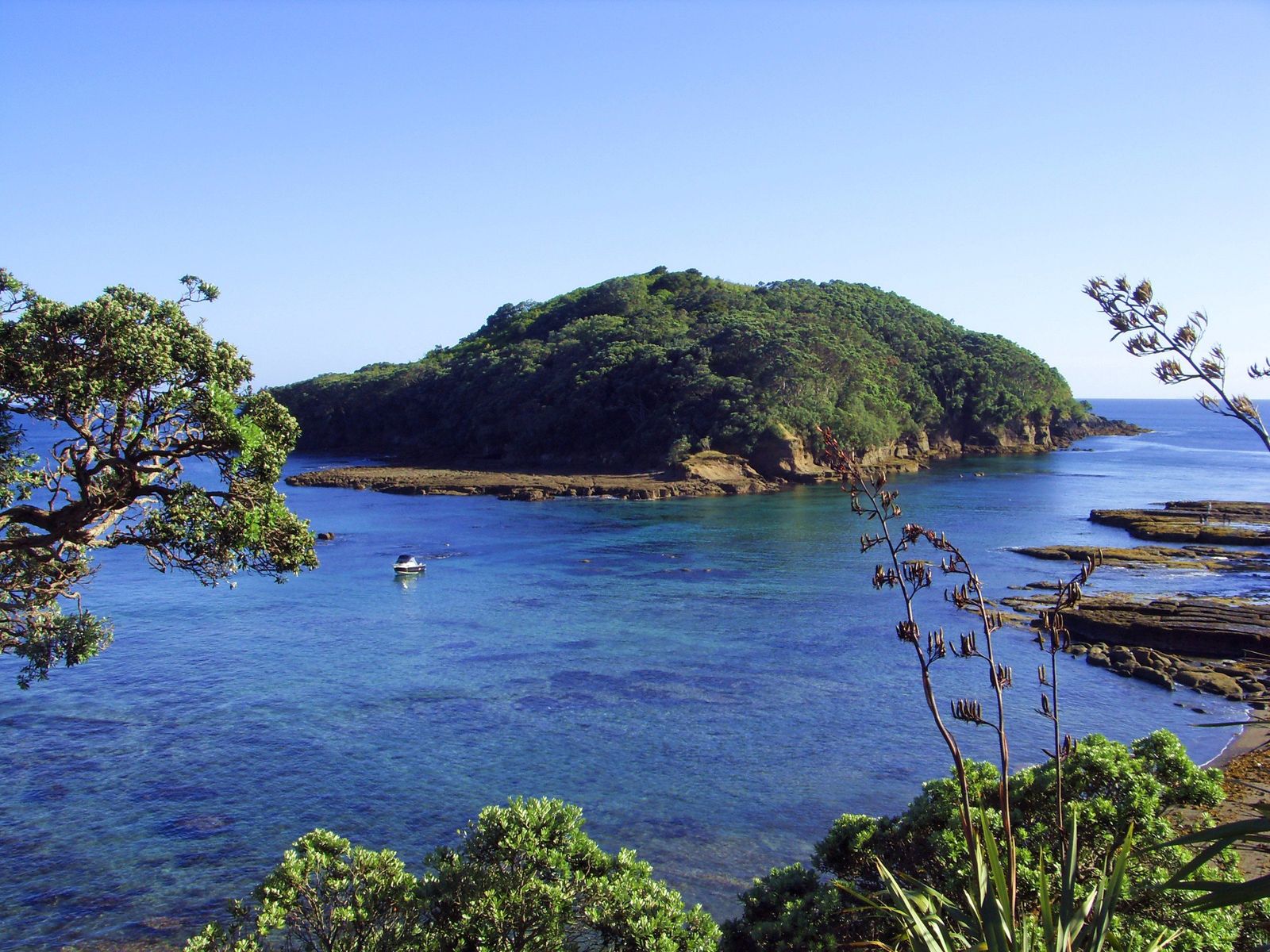
Goat Island is the everyday name for the Cape Rodney–Okakari Point Marine Reserve, on the coast just past Leigh, north of Auckland. It was New Zealand’s first marine reserve, created in 1975. DOC calls it one of the best snorkelling and diving spots close to Auckland, and says the fish are abundant and friendly.
The island itself is Te Hāwere-a-Maki, also known as Motu Hāwere. It sits a short distance off the beach and shelters the bay.
What fish will I see at Goat Island?
DOC says the ecosystems inside the reserve are healthier and more natural than those outside it, and that snapper (tāmure) and crayfish (kōura) are far more common inside the reserve than anywhere along the coast outside it.
According to DOC, these are often seen by snorkellers in shallow water not far off the beach:
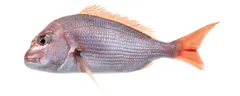
Snapper
Far more numerous inside the reserve than anywhere on the surrounding coast, and easy to see from the beach.
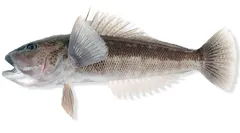
Blue cod
A bottom-living fish, blue to blue-green in adults, that is easy to approach and often comes close to divers.
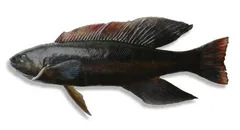
Butterfish
A long, cylindrical fish that feeds on kelp and other seaweed over shallow reefs.
Other species DOC lists as often seen in the shallows, which don’t yet have pages on this site:
- blue maomao
- red moki (ngutere)
- parore (black bream)
- silver drummer
- crayfish (kōura)
Below the shallows, DOC describes seaweed forests, sponge gardens and the creatures of the rocky shore. The reserve has rocky shores exposed at low tide, plus deeper reefs, underwater cliffs, canyons and sand flats.
Bottlenose dolphins visit the reserve, and Bryde’s whales and orca are also seen there. Little penguins and black petrels, both threatened species, are found in the reserve.
Where is Goat Island and how do I get there?
Goat Island is at the end of Goat Island Road, off Pākiri–Leigh Road, east of Warkworth. DOC puts it at about an hour and a half’s drive north of Auckland: take State Highway 1 to Warkworth and follow the Goat Island Marine Reserve signs.
There’s no public bus to Leigh or Goat Island. Auckland Transport’s nearest stop is Matakana, on route 997, about 13 km away. Plan on driving.
Parking
There are three parking areas at the reserve, and they fill up on summer days. DOC estimates more than 300,000 visitors a year.
- No overnight parking in any of the car parks.
- There’s a 5-minute loading zone near the beach for dropping off and picking up gear only.
- Larger vehicles, including campervans and buses, should use the lower car park. Goat Island Road isn’t suitable for very large buses.
- Don’t drive over the bridge onto University of Auckland land. Only disability parking and drop-offs are allowed at the Discovery Centre, and other cars are towed.
DOC plans to introduce paid parking at Goat Island, aiming for December 2026, with annual permits for locals. Check DOC’s Goat Island page for current charges.
Facilities
- Public toilets and changing rooms at the main car park. DOC says the shower is currently unavailable because of water supply issues.
- No drinking water or food in the reserve. Leigh has shops and is a short drive away.
- No dogs anywhere in the reserve area.
- Phone coverage is patchy.
The Goat Island Marine Discovery Centre, run by the University of Auckland, is a short walk from the car park: down the hill, across the beach and along the signposted path. It has displays, microscopes and live aquaria where you can see kina, sea stars and kōura up close. From December to April it’s open daily (closed on a few public holidays); for the rest of the year it opens on weekends, school holidays and public holidays. Check its website for current hours and entry fees.
Best time to snorkel
Conditions
Wind and swell decide whether Goat Island is safe and worth snorkelling. DOC advises against swimming, snorkelling or diving when there are:
- east or north-east winds over 20 knots, or
- east or north-east swells of more than 1 metre.
DOC says it can be unsafe even in calmer conditions, so be realistic about your ability. It suggests checking wind and swell on the MetService Goat Island surf forecast, and notes that the surf rating colours on that forecast aren’t a guide to safe snorkelling.
Season and crowds
DOC notes the beach can be crowded from February to April, during school term 1, when school groups visit. Summer weekends and holidays are busy, and parking fills early.
Gear and hire
You’ll need a mask, snorkel and fins. The University of Auckland’s Leigh Marine Laboratory, next to the reserve, has measured the sea temperature every day since 1967. From 2014 to 2023 it averaged about 14°C in August and 21°C in February, peaking at 21 to 23°C in late summer. A wetsuit is worth wearing for most of the year, for warmth and sun protection.
If you don’t have your own gear, snorkel and kayak hire is available at the beach. The Discovery Centre doesn’t hire gear and points visitors to Goat Island Dive and Snorkel. A glass-bottom boat, run by a separate company, takes trips around the island in suitable weather, with commentary on the marine life. We haven’t used any of these operators, so we’re not recommending one over another.
If you’re taking a kayak or paddleboard, the national lifejacket rule applies: everyone on a craft 6 metres or shorter must wear one while it’s underway. See our life jackets guide.
Marine reserve rules
The reserve is fully protected. You can’t take, kill, disturb or damage anything within it. That means:
- no fishing of any kind, from the shore, a boat or by spearfishing
- no taking shellfish, crayfish, kina, shells, rocks or seaweed
- don’t feed the fish. It changes their natural behaviour.
- take care when anchoring, so you don’t damage the seabed
- no littering, no structures, and no firearms
The reserve tripled in size from 25 October 2025 under the Hauraki Gulf / Tīkapa Moana Marine Protection Act. The old 800-metre limit you may see in older guides no longer marks the edge. Check the current boundaries on DOC’s map or the MarineMate app.
If you see someone taking anything, call 0800 4 POACHER (0800 476 224) or 0800 DOCHOT (0800 362 468).
Also watch for exotic caulerpa seaweed, a marine pest. Make sure boats and gear are free of seaweed before moving between sites, and report suspected sightings to MPI on 0800 80 99 66.
If you want to fish, do it outside the reserve. Our Auckland fishing spots guide covers places where fishing is allowed.
Safety
People have died at this marine reserve. DOC’s advice, and some basics:
- Only get in when the sea is calm, and stay out in strong east or north-east wind or swell.
- Know your limits. Don’t go in if you’re unsure about your swimming.
- Snorkel with someone, and supervise children closely.
- The nearest ambulance station is in Warkworth, almost 30 minutes away, so help may take time to arrive.
- Wear sunscreen and a rash shirt or wetsuit. It’s easy to burn while floating face-down.
History and name
Te Hāwere-a-Maki is of central importance to Ngāti Manuhiri, the tangata whenua. DOC says the name comes from Maki, who led the conquest of the area in the late seventeenth century and was the father of Manuhiri, the iwi’s founding ancestor. Ngāti Manuhiri received title to the island in 1901.
The reserve came out of research by the University of Auckland in the 1960s and early 1970s. Marine biologist Bill Ballantine, the first director of the university’s Leigh Marine Laboratory, campaigned for years to create it. The laboratory still sits next to the reserve, and its scientists study how a marine ecosystem works without harvesting.
The English name comes from goats. Te Ara says early European seafarers released goats on the island to provide food for anyone marooned there.
Questions
Can you swim to Goat Island?
The island sits just off the beach across a shallow channel, but DOC doesn’t give a distance or any specific advice about swimming or kayaking to it. Its general warning applies: don’t swim, snorkel or dive in east or north-east winds over 20 knots or swells over a metre. Only attempt the crossing in calm conditions, with a buddy, and if you’re a confident swimmer.
Questions
Where is Goat Island?
Goat Island is at the end of Goat Island Road, just past Leigh, north of Auckland. The reserve runs along the coast between Cape Rodney and Okakari Point. Drive north on State Highway 1 to Warkworth and follow the Goat Island Marine Reserve signs.
How far is Goat Island from Auckland?
DOC puts it at about an hour and a half's drive north of Auckland. The Goat Island Walkway, which starts next to the reserve, is 83 km from downtown Auckland.
Can you fish at Goat Island?
No. It's a marine reserve, so all fishing is banned and you can't take or disturb any marine life, shells or rocks. Feeding the fish is also discouraged because it changes their behaviour.
Is Goat Island good for kids?
It's popular with families, because fish can be seen in shallow water close to the beach and there's a discovery centre with displays and touch tanks. People have died here, though, so only let children swim in calm conditions and supervise them closely.
Are there toilets and showers at Goat Island?
There are public toilets and changing rooms at the car park. DOC says the shower is unavailable because of water supply issues. There's no drinking water or food in the reserve, but Leigh is a few minutes' drive away.
Do you have to pay for parking at Goat Island?
DOC plans to introduce paid parking at Goat Island, aiming for December 2026. Check DOC's Goat Island page for the current charges before you go.
Sources (11)
- Auckland Transport, Warkworth and Kōwhai Coast bus timetable (from 14 June 2026)
- University of Auckland, Long-term sea surface temperature measurements from the Leigh Marine Laboratory (infilled daily series 1967 to 2023)
- Te Ara, Goat Island (photograph caption, Auckland places)
- DOC, Cape Rodney-Okakari Point Marine Reserve (Goat Island)
- DOC, Cape Rodney-Okakari Point Marine Reserve map and boundaries
- DOC, Visiting Cape Rodney-Okakari Point Marine Reserve (Goat Island), notes for schools and educators
- DOC, Report card, Cape Rodney-Okakari Point (Goat Island) Marine Reserve
- DOC, Goat Island next site for paid parking to support conservation (media release, 3 August 2026)
- DOC, Goat Island Walkway
- University of Auckland, Goat Island Marine Discovery Centre (plan your day and FAQs)
- University of Auckland, Goat Island Marine Discovery Centre, About us