
Best time to fish in New Zealand
For most saltwater species, the best time to fish in New Zealand is October to April, when warmer water brings snapper, kingfish and tuna closer to shore. Plenty of fish are caught all year, though: tarakihi and kahawai are caught in every month, and winter is the peak for some species.
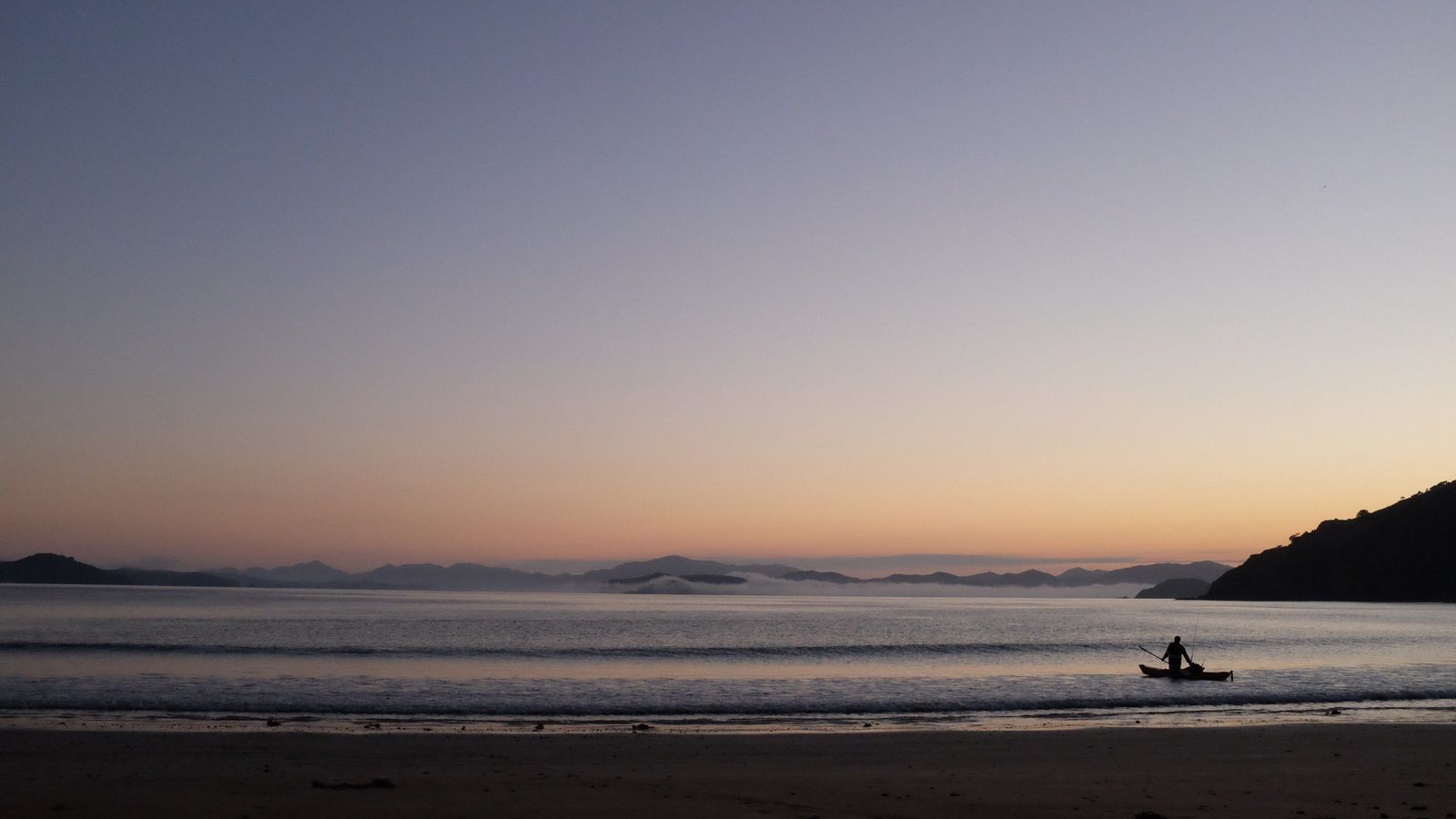
- Spring (September to November): snapper move inshore to spawn, and trout season opens on 1 October.
- Summer (December to February): the busiest season. Kingfish, tuna and marlin arrive, salmon start running up Canterbury rivers, and flounder return to the harbours.
- Autumn (March to May): kingfish stay active until about April, gurnard feed up, and deep-reef fish bite more as the water cools.
- Winter (June to August): trevally and tarakihi come closer inshore, bluefin tuna are caught off the West Coast, and Taupō’s rainbow trout run up the rivers.
Fishing calendar by species
Shaded months are when each fish is most often caught, based on Fisheries New Zealand data and regional fishing reports. Patterns vary from north to south, and from one year to the next.
| Fish | Jan | Feb | Mar | Apr | May | Jun | Jul | Aug | Sep | Oct | Nov | Dec |
|---|---|---|---|---|---|---|---|---|---|---|---|---|
| Albacore | Jan: good | Feb: good | Mar: good | Apr: good | May: quieter | Jun: quieter | Jul: quieter | Aug: quieter | Sep: quieter | Oct: quieter | Nov: quieter | Dec: good |
| Blue Cod | Jan: good | Feb: good | Mar: good | Apr: good | May: good | Jun: good | Jul: good | Aug: good | Sep: good | Oct: good | Nov: good | Dec: good |
| Brown Trout | Jan: good | Feb: good | Mar: good | Apr: good | May: quieter | Jun: quieter | Jul: quieter | Aug: quieter | Sep: quieter | Oct: good | Nov: good | Dec: good |
| Butterfish | Jan: good | Feb: good | Mar: good | Apr: good | May: good | Jun: good | Jul: good | Aug: good | Sep: good | Oct: good | Nov: good | Dec: good |
| Chinook Salmon | Jan: good | Feb: good | Mar: good | Apr: good | May: quieter | Jun: quieter | Jul: quieter | Aug: quieter | Sep: quieter | Oct: quieter | Nov: quieter | Dec: good |
| Cockles | Jan: good | Feb: good | Mar: good | Apr: good | May: good | Jun: good | Jul: good | Aug: good | Sep: good | Oct: good | Nov: good | Dec: good |
| Hāpuku | Jan: good | Feb: good | Mar: good | Apr: good | May: good | Jun: good | Jul: good | Aug: good | Sep: good | Oct: good | Nov: good | Dec: good |
| John Dory | Jan: good | Feb: good | Mar: good | Apr: good | May: good | Jun: good | Jul: good | Aug: good | Sep: good | Oct: good | Nov: good | Dec: good |
| Kahawai | Jan: good | Feb: good | Mar: good | Apr: good | May: good | Jun: good | Jul: good | Aug: good | Sep: good | Oct: good | Nov: good | Dec: good |
| Kingfish | Jan: good | Feb: good | Mar: good | Apr: good | May: quieter | Jun: quieter | Jul: quieter | Aug: quieter | Sep: quieter | Oct: quieter | Nov: good | Dec: good |
| Mussels | Jan: good | Feb: good | Mar: good | Apr: good | May: good | Jun: good | Jul: good | Aug: good | Sep: good | Oct: good | Nov: good | Dec: good |
| Oysters | Jan: good | Feb: good | Mar: good | Apr: good | May: good | Jun: good | Jul: good | Aug: good | Sep: good | Oct: good | Nov: good | Dec: good |
| Pacific Bluefin Tuna | Jan: quieter | Feb: quieter | Mar: quieter | Apr: quieter | May: quieter | Jun: good | Jul: good | Aug: good | Sep: good | Oct: quieter | Nov: quieter | Dec: quieter |
| Pipi | Jan: good | Feb: good | Mar: good | Apr: good | May: good | Jun: good | Jul: good | Aug: good | Sep: good | Oct: good | Nov: good | Dec: good |
| Red Gurnard | Jan: quieter | Feb: quieter | Mar: good | Apr: good | May: good | Jun: good | Jul: quieter | Aug: quieter | Sep: quieter | Oct: good | Nov: good | Dec: quieter |
| Rig | Jan: good | Feb: good | Mar: quieter | Apr: quieter | May: quieter | Jun: quieter | Jul: quieter | Aug: quieter | Sep: good | Oct: good | Nov: good | Dec: good |
| Sand Flounder | Jan: good | Feb: good | Mar: quieter | Apr: quieter | May: quieter | Jun: quieter | Jul: quieter | Aug: quieter | Sep: quieter | Oct: quieter | Nov: quieter | Dec: good |
| School Shark | Jan: good | Feb: good | Mar: quieter | Apr: quieter | May: quieter | Jun: quieter | Jul: quieter | Aug: quieter | Sep: quieter | Oct: quieter | Nov: good | Dec: good |
| Snapper | Jan: good | Feb: good | Mar: good | Apr: good | May: quieter | Jun: quieter | Jul: quieter | Aug: quieter | Sep: quieter | Oct: good | Nov: good | Dec: good |
| Tarakihi | Jan: good | Feb: good | Mar: good | Apr: good | May: good | Jun: good | Jul: good | Aug: good | Sep: good | Oct: good | Nov: good | Dec: good |
| Trevally | Jan: quieter | Feb: quieter | Mar: quieter | Apr: quieter | May: quieter | Jun: good | Jul: good | Aug: good | Sep: good | Oct: good | Nov: good | Dec: quieter |
| Tuatua | Jan: good | Feb: good | Mar: good | Apr: good | May: good | Jun: good | Jul: good | Aug: good | Sep: good | Oct: good | Nov: good | Dec: good |
| Yellowbelly Flounder | Jan: good | Feb: good | Mar: quieter | Apr: quieter | May: quieter | Jun: quieter | Jul: quieter | Aug: quieter | Sep: quieter | Oct: quieter | Nov: quieter | Dec: good |
| Yellowfin Tuna | Jan: good | Feb: good | Mar: good | Apr: quieter | May: quieter | Jun: quieter | Jul: quieter | Aug: quieter | Sep: quieter | Oct: quieter | Nov: quieter | Dec: good |
Spring: September to November
Snapper begin moving into the Hauraki Gulf to spawn from late September or early October. In the Bay of Islands they gather under schools of baitfish from Labour Weekend and are plentiful through November and December. Spring sou’westers in the Gulf can blow up to 40 knots, so small boats tend to fish sheltered water close to reef, straylining with berley or using soft baits.
Red gurnard feed up before spawning in October and November. Rig move into shallow bays and harbours from September. In fresh water, the trout season opens on 1 October in most Fish & Game waters.
Summer: December to February
Summer brings the widest choice. Warm water carries tuna and marlin south into northern waters, and most big-game fishing happens off the east coast of Northland and the Bay of Plenty. Yellowfin tuna are caught mainly from December to March and albacore from December to April. Kingfish are reliable around Coromandel islands and pinnacles from spring to autumn.
Flounder move back into harbours to feed after spawning offshore. In Canterbury, sea-run chinook salmon run up the Rakaia from November, peaking in the lower river in December and January. The Rangitata and Waitaki usually fish best from December to March.
The Marlborough Sounds blue cod fishery is closed until 10 January, so plan Sounds trips for later in summer.
Autumn: March to May
Kingfish activity peaks from January to April. Red gurnard have a second feeding peak from March to June after spawning. In the Bay of Plenty, bluenose, hāpuku and tarakihi on the deep reefs bite more as the weather cools.
The Waimakariri salmon run is later and shorter than the Rakaia’s, with the best fishing in February and March, and the gorge fishing more consistently in March and early April. Most Fish & Game trout waters close on 30 April, and salmon fishing in Canterbury rivers stops from 1 May.
Winter: June to August
Trevally are more common inshore over winter and spring, and in the North Island tarakihi often move into shallower water in winter. Pacific bluefin tuna are caught off the West Coast from about June to September. Some anglers rate the Marlborough Sounds for winter kingfish and snapper fishing around D’Urville Island.
Lake Taupō has no closed season, and rainbow trout run up the Tongariro River to spawn in winter and spring. Lake Rotorua is open all year and is known for winter stream-mouth fishing.
Fish with no clear season
These species are caught throughout the year, or there isn’t enough data to show a peak: barracouta, blue moki, bluenose, crayfish, gemfish, golden snapper, grey mullet, jack mackerel, kina, leatherjacket, ling, pāua, pōrae, scallops, sole, stargazer, trumpeter, whitebait, yellow-eyed mullet. Deep-water commercial species such as hoki, hake and orange roughy are caught by trawlers rather than recreational fishers.
Closed seasons to know
- Marlborough Sounds blue cod: closed 1 September to 10 January every year.
- Trout: most Fish & Game waters are open 1 October to 30 April. Check the regional rules for the water you plan to fish.
- Canterbury sea-run salmon: no salmon fishing in rivers from 1 May to 30 September.
For size and daily limits, see NZ fishing rules. For where each species is found, see where to fish in New Zealand.
Questions
What is the best month to go fishing in New Zealand?
For most inshore saltwater fishing, the warmer months from November to March are the most productive. Snapper move into shallower water from October, kingfish peak from January to April, and tuna arrive in northern waters from December.
When do snapper come in close in New Zealand?
Snapper move into the Hauraki Gulf to spawn from late September or early October, and in the Bay of Islands they gather from Labour Weekend. They are most often found in shallower water from October to April, though they are caught all year.
When does trout season open in New Zealand?
Most Fish & Game waters open on 1 October and close on 30 April. Some waters differ, and Lake Taupō and Lake Rotorua are open all year.
Can you fish in winter in New Zealand?
Yes. Tarakihi, trevally and kahawai are caught through winter, and deep-reef fish tend to bite more as the water cools. Pacific bluefin tuna are caught off the West Coast from about June to September, and Lake Taupō and the Tongariro River are fished all winter.