
Best bait for fishing in NZ: a species-by-species guide
Squid, pilchards and fresh-caught fish such as kahawai, jack mackerel and piper cover most saltwater fishing in New Zealand. Fresh bait usually outfishes frozen, but frozen pilchards and squid still catch plenty. Match the bait to the fish: crabs for rig, small baits for tarakihi, and live bait for kingfish and John Dory.
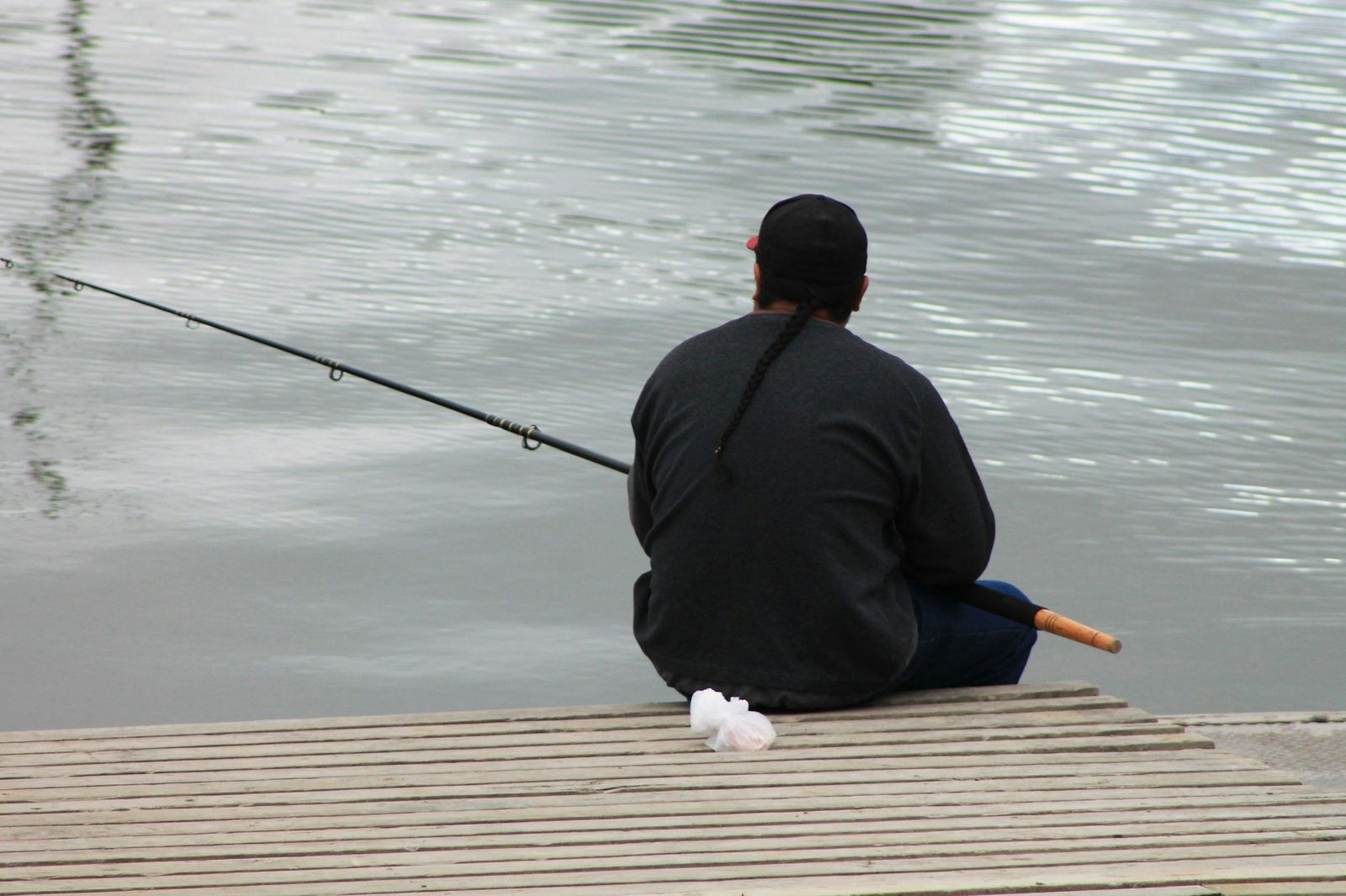
Most New Zealand saltwater fish will take a well-presented bait, so the choice matters less than people think. What matters more is freshness, a bait sized to the hook and the fish, and getting it where the fish are feeding.
The short version: carry squid and pilchards, catch fresh bait on the day when you can, and use berley.
Bait by species
| Species | Best baits | Usual rig | Notes |
|---|---|---|---|
| Snapper | Pilchard, squid, skipjack, fresh kahawai, jack mackerel, piper, shellfish, crab | Strayline, running sinker or two-hook ledger | Fresh beats frozen. Big snapper also take live bait. |
| Kahawai | Pilchard, pipi, squid; also lures and soft baits | Surfcasting rig, or cast lures at surface schools | Takes almost anything. Look for diving birds. |
| Red gurnard | Squid, pilchard, bonito, cut fish | Ledger or paternoster on sand or mud | Small hooks. Keep the bait on the bottom. |
| Tarakihi | Small pieces of squid, cut fish, shellfish such as tuatua | Multi-hook ledger near reef edges | Small mouths and gentle bites. Use small hooks. |
| Trevally | Strips of mullet or oily fish, mussel, tuatua | Light ledger or strayline with fluorocarbon leader | Berley brings schools in. Soft mouths, so go easy on the drag. |
| Kingfish | Live jack mackerel, kahawai, kōheru, piper, squid | Live bait near reefs and pinnacles, or under a balloon | Heavy leader and firm drag. Also caught on jigs and poppers. |
| Blue cod | Pilchard, mackerel, squid, any fresh bait | Flasher or ledger rig on the bottom over rough ground | Strong trace, because hooked cod spin. |
| Flounder | Small soft baits on light jig heads, or small pieces of bait on small hooks | Light running rig on sand | Most are netted or speared rather than caught on a line. |
| John Dory | Live jack mackerel, kahawai, piper or other small baitfish | Live bait near reef edges, weed lines and wharf piles | Slow, steady wind. Net it as soon as it reaches the boat. |
| Rig | Paddle crab, crayfish, tuatua | Surfcasting or running sinker rig in channels and bays | Rig feed mainly on crabs. |
The main baits explained
Squid
Squid is the all-rounder. It’s tough, stays on the hook through several bites, and almost every bottom fish will take it. That makes it a good bait for small pickers like tarakihi and gurnard, where softer bait gets stripped.
Cut it into strips sized to your hook. Leave the hook point and barb exposed so it can set.
NZ anglers cut squid into pointed strips of about 7 cm, or thread a whole baby squid on and bring the hook out near the eyes. A half hitch of the trace around the bait, or a few turns of bait elastic, stops small fish stripping it.
Pilchards
Pilchards are a standard snapper bait and are easy to buy frozen from tackle shops. They are oily and give off a strong scent trail, which is why they work so well with berley.
Their weakness is that they are soft. Thaw them slowly, keep them cool, and use them while they are still firm.
Use half a big pilchard or a whole small one, and wrap it on with bait elastic (bait cotton) so it survives the cast and the first nibbles. Salted pilchards are firmer and stay on the hook better than thawed ones.
Skipjack and bonito
Skipjack tuna, sold in tackle shops as bonito, is a dark, oily bait that snapper favour. Most of the skipjack caught in New Zealand is taken for bait.
Fresh-caught fish: kahawai, jack mackerel, piper and mullet
Fresh fish caught on the day is hard to beat. Strips of kahawai, jack mackerel, piper or mullet are firm, oily and natural. Jack mackerel and other small baitfish are often caught on a sabiki rig, which carries several small hooks, before moving on to target bigger fish.
The same fish are the standard live baits for kingfish and John Dory. Jack mackerel are popular because they survive well in a bait tank and on the hook.
Several of these species are legally baitfish, with their own daily limit. See Bait fish rules below.
Crabs
Crabs are a natural food for snapper, gurnard and rig. Paddle crabs are the bait of choice for rig, which feed mainly on crabs.
Shellfish
Mussel, pipi and tuatua are good baits for trevally, tarakihi, kahawai and snapper around reef. They are soft, so they suit gentle biters and small hooks rather than long casts.
Shellfish you gather yourself count toward the daily limits for that shellfish, even if you use them as bait. Check the shellfish limits for your area on the rules pages.
Soft baits
Soft baits are plastic or biodegradable lures shaped like baitfish, worms or shrimp. They are fished on a jig head and worked along the bottom. They don’t replace bait for every species, but they catch snapper, kahawai, trevally and gurnard well. See Soft baits as an alternative.
Rigging bait: the basics
- Match the size of the bait to the size of the hook, and both to the fish you’re after. Big baits and big hooks for big fish.
- Make the bait look natural and leave the hook point exposed, not buried, so it sets when a fish bites.
- If you fish on the bottom, keep the bait moving a little with the current. A bait left sitting on the bottom gets picked apart by crabs and small fish.
- For live bait, hook the fish lightly through the upper shoulder, or through the top of the hood for squid, so it can still swim.
- Handle live bait as little as possible and keep it in clean, oxygenated water.
Fresh vs frozen bait
Fresh bait is better when you can get it. It is firmer, stays on the hook longer, and gives off more natural scent. Snapper have shown a preference for pilchards, skipjack, squid, piper and kahawai, and the fresher those are, the better.
That said, frozen bait from a tackle shop still catches fish, and for most trips it is what you start with. A common pattern is to start on frozen bait and switch to fresh as soon as you catch something suitable.
To get the most from frozen bait:
- Keep it frozen or chilled in a chilly bin until you need it.
- Thaw only what you’ll use in the next hour or so.
- Don’t let it sit in the sun. Warm, soft bait falls off the hook.
Berley
Berley (also spelt burley) is minced or crushed fish, fish frames, pilchards or shellfish put in the water to create a scent trail that draws fish to your bait. It is one of the most effective things you can do to improve a day’s fishing, from a boat or from the shore.
How to use berley
- Use a berley pot or mesh bag. Hang it over the side, or lower it to near the bottom if you’re bottom fishing.
- Cast or drift your baits in the same direction the berley trail is moving.
- Keep it going. A steady trail holds fish around the boat; a single dump drifts away.
- For tarakihi, hold the berley just off the bottom, at the depth the school is feeding.
- For trevally, berley can bring whole schools in and get them competing for food.
From a wharf or rocks, a berley pot on a rope in the current does the same job.
Berley rules
The amateur fishing regulations don’t mention berley, and we found no bylaw banning it. Some council beach bylaws ban fishing near swimmers, such as Tauranga’s ban within 300 m of a flagged lifeguard area, so keep berley well away from swimming beaches. You can’t fish at all in marine reserves, so berley and bait don’t come into it there. Check the rules for the area you plan to fish on our rules pages.
Bait fish rules
Catching your own bait is still fishing, and limits apply. The Fisheries (Amateur Fishing) Regulations 2013 define a group of species as baitfish, with their own daily limit. The baitfish are:
- kōheru and scad
- anchovy (kokowhaawhaa)
- garfish (piper)
- mackerel, including jack mackerel (but not blue mackerel)
- pilchard
- slender and stout sprats
- yellow-eyed mullet
Baitfish don’t count toward the combined daily limit for finfish. Kahawai is not a baitfish and has its own daily limit. The current limits are on our rules pages.
Fish under the minimum legal size have to be returned to the water, so you can’t keep an undersized snapper or other size-limited fish for bait. The amateur fishing regulations (regulation 21) say an undersized fish must be returned to the water straight away, and there’s no exception for bait.
Soft baits as an alternative
Soft baits are worth carrying even if you fish mostly with bait. They cover ground fast when you’re drifting, don’t need thawing, and catch some of the biggest snapper in shallow water.
The usual approach is to cast ahead of the drift, let the soft bait sink to the bottom, then retrieve it slowly with small lifts and drops of the rod.
Our soft bait fishing guide covers the gear, jig head weights, rigging and the soft baits on sale in NZ.
Where to go next
- Species pages for each fish in the table above, with how-to-catch notes and rules.
- Land-based fishing spots in Auckland for where to use this bait without a boat.
- NZ fishing rules for size and daily limits in your area.
Questions
What is the best bait for snapper off a wharf?
Pilchards are the everyday choice, and squid stays on the hook longer. Fresh-caught bait such as piper, jack mackerel or a strip of kahawai is better still if you can catch it on the day. Keep the rig light and use berley to bring fish to you.
Does bait need to be fresh?
Fresh bait usually works better, but it isn't essential. Frozen pilchards and squid from a tackle shop catch plenty of fish, especially snapper and kahawai. Keep frozen bait cold until you use it, because soft bait falls off the hook.
Can you use frozen pilchards for snapper?
Yes. Frozen pilchards are a standard snapper bait and catch plenty of fish. They are soft, so thaw them slowly and use them while they are still firm.
What is the best live bait for kingfish?
Small, lively fish that kingfish already eat. Jack mackerel, kahawai, kōheru and piper are the usual choices, and squid also works. Fish them near reefs, pinnacles or under a balloon from rocky points.
Is there a limit on how much bait fish I can catch?
Yes. Some species, including jack mackerel, kōheru, piper, anchovy, pilchard, sprats and yellow-eyed mullet, are legally defined as baitfish and have their own daily limit, separate from the combined finfish limit. Kahawai is not a baitfish and has its own limit. Check the current limits on our rules pages.
Sources (16)
- Albert Lyu, Catching flounder on small baits and lures (NZ Fishing News, July 2023)
- Southern Bait, Whole bonito (skipjack tuna), product page
- Fisheries New Zealand, Fisheries Assessment Plenary November 2025, Skipjack tuna (SKJ)
- Fisheries (Amateur Fishing) Regulations 2013, regulations 18 and 21 (undersized fish)
- Tauranga City Council, Beaches Bylaw 2018, clause 9.2
- Black Magic Tackle, Snapper species guide
- Black Magic Tackle, Guide to live baiting
- Black Magic Tackle, Blue cod species guide
- Black Magic Tackle, Tarakihi species guide
- Black Magic Tackle, Trevally species guide
- Black Magic Tackle, Gurnard species guide
- Black Magic Tackle, John Dory species guide
- Black Magic Tackle, Kahawai species guide
- Black Magic Tackle, Kingfish species guide
- Seafood New Zealand, Rig
- Fisheries (Amateur Fishing) Regulations 2013, regulation 8 (baitfish definition), 11A and 17B