
Trevally
Araara, Raumarie, Raumarire
Pseudocaranx georgianus formerly Pseudocaranx dentex, Caranx georgianusAlso known as Silver trevally, trev
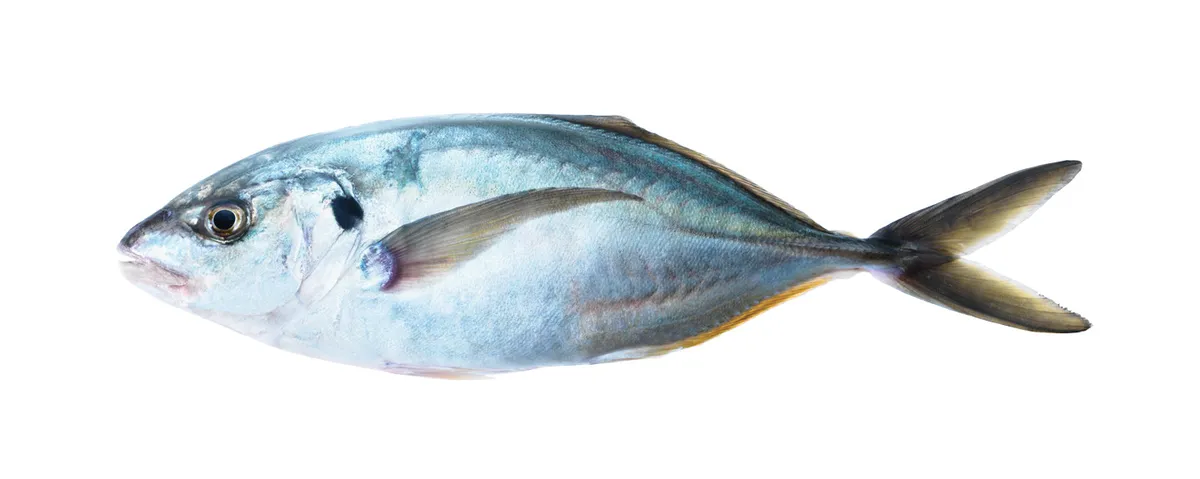
Trevally (araara) is a schooling fish of New Zealand's coastal waters, most common north of Cook Strait. Look for a deep, flattened blue-green and silver body, a small dark spot on the upper gill cover and a row of hard, ridged scutes near the tail. It is one of the best fish to eat raw.
How to identify trevally
- A deep, flattened body with a bluntly rounded head and a deeply forked tail.
- Blue-green above and silvery white below, with a yellowish sheen and often yellow-tinged fins.
- A small dark blotch on the upper rear edge of the gill cover.
- A lateral line that arches over the long, sickle-shaped pectoral fin, then runs straight to the tail.
- A row of hard, ridged scutes along the straight rear part of the lateral line, on the narrow base of the tail.
Trevally are deep-bodied, flattened fish with a bluntly rounded head, a long, sickle-shaped pectoral fin and a deeply forked tail. They are blue-green above and silvery white below, with a yellowish sheen, and a yellow stripe often shows along the middle of the side. Look for the small dark blotch on the upper rear edge of the gill cover.
The lateral line curves up and over the pectoral fin, then straightens and ends in a row of hard, ridged scales called scutes on the narrow tail base. The narrow tail base also makes a good handle when a lively fish is brought aboard.
Like kingfish and jack mackerel, trevally belong to the jack family, Carangidae. In New Zealand the name means this one species, Pseudocaranx georgianus. Older stock reports and FishBase still list it as Pseudocaranx dentex, the name once used for silver trevally worldwide.
Often confused with
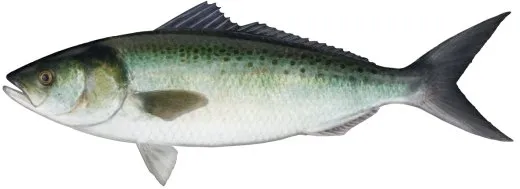
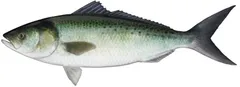 KahawaiArripis truttaKahawai are slimmer and rounder in cross-section, with dark spots on the greenish back, no dark gill spot and no scutes on the tail base.
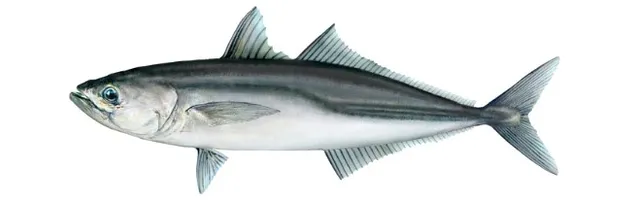
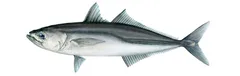 Jack MackerelTrachurus novaezelandiaeJack mackerel are slender and much smaller, with hard scutes along the whole length of the lateral line, not just near the tail, and a second lateral line along the back.
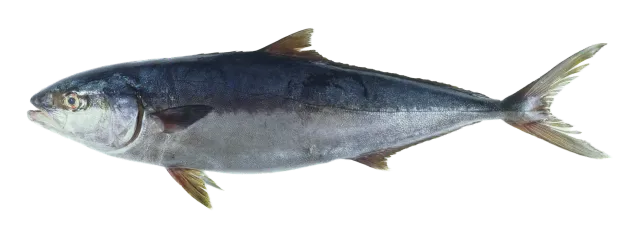
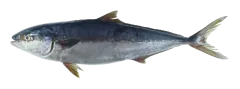 KingfishSeriola lalandiKingfish are long and torpedo-shaped, with a bright yellow side stripe and yellow tail, no dark gill spot and no scutes on the tail base.
- Kōheru
Kōheru are slender, torpedo-shaped fish under about 40 cm, with a yellow stripe along the back and a small detached finlet behind the dorsal and anal fins. They often school with trevally.
Size and daily limits
Minimum size25 cmDaily limitNo species limitExcept Fiordland: 5 a day. Elsewhere it counts towards the combined finfish limit (20–30 a day).Limits for each area
| Area | Min. size | Daily limit |
|---|---|---|
| Auckland and Kermadec area | 25 cm | No species limit (combined 20 a day) |
| Central area | 25 cm | No species limit (combined 20 a day) |
| Challenger area | 25 cm | No species limit (combined 20 a day) |
| Kaikōura area | 25 cm | No species limit (combined 30 a day) |
| South-East area | 25 cm | No species limit (combined 30 a day) |
| Fiordland area (Fiordland Marine Area) | 25 cm | 5 Inside the Fiords: 1 per day. |
| Southland area | 25 cm | No species limit (combined 30 a day) |
Within combined finfish daily limit.
Checked 22 October 2026 · Source: MPI. Rules change, so check the NZ Fishing Rules app before you keep a fish.
Where it lives in New Zealand
Trevally are found from the Kermadec Islands to Foveaux Strait, but they are most common north of Cook Strait and especially around the northern North Island. They are scarce further south, and Te Ara notes that only stragglers reach as far south as Banks Peninsula on the east coast. Commercial catches come from around the North Island and the north of the South Island.
Young trevally, up to about two years old, live in shallow, sheltered water: estuaries, harbours, bays and seagrass beds. From about a year old they feed near the bottom. Adults move between the bottom and open water, and schools are found at the surface, in midwater and on the bottom, often near reefs and rough ground. They sometimes school with kōheru and kahawai.
What they eat depends on where they are. Surface schools feed on plankton, mainly krill, and on calm days their backs can be seen breaking the water as they feed. Surface schools seem to follow settled weather rather than a particular time of year. On the bottom, trevally eat a wide range of invertebrates.
- Jan: quieter
- Feb: quieter
- Mar: quieter
- Apr: quieter
- May: quieter
- Jun: good
- Jul: good
- Aug: good
- Sep: good
- Oct: good
- Nov: good
- Dec: quieter
How to catch it
Bait and berley: most trevally are caught on bait, often by people fishing for snapper. Berley is the key, because it brings schools in close and gets them competing. Fish small, sharp hooks on a light fluorocarbon trace, either on a strayline drifting back down the berley trail or on a light ledger rig near reef and rough ground. Good baits are small strips of mullet, pilchard or other oily fish, and soft shellfish such as mussel, pipi and tuatua; see the bait guide. A flasher rig also catches trevally from boats.
Soft baits and small lures: trevally take small soft baits worked slowly near the bottom, and small metal lures, jigs and flies cast into surface schools. When a school is feeding on krill at the surface, approach quietly, stop well up-wind and drift towards the fish, then cast small, slow lures into the edge of the school.
From the shore: about one in seven trevally kept by recreational fishers is caught from land. Wharves, rock ledges, harbour channels and surf beaches all produce fish, especially with berley on a moving tide. See Auckland fishing spots for wharves and rocks where trevally are regulars.
Whatever the method, trevally have soft mouths. Set a light drag, keep steady pressure and don't horse the fish, or the hook pulls free. Use a landing net for bigger fish.
Eating
Trevally is very good eating, and it is best known as a raw fish. The flesh is mild-flavoured with a fine texture, which suits sashimi, sushi, ceviche and coconut-cured dishes such as ika mata and kokoda. It also bakes, pan-fries, steams, poaches and curries well, and makes good smoked fish.
How it is handled decides how it eats. MPI lists trevally among the fish that can form histamine if they are not chilled properly, which can make people sick. Bleed it and put it in an ice slurry as soon as it is landed, especially if you plan to eat it raw. When filleting, trim off the strip of darker red flesh along the middle of each fillet for a milder taste.
Trevally is a fish to eat fresh. Bleed it, ice it and get it on the table or into the smoker within a day or two, because it doesn't freeze well.
Recipes
- Tamar's trevally ceviche (Seafood New Zealand)
- Coconut-cured trevally with cucumber and tomato (Seafood New Zealand)
- Fijian-style sashimi of trevally (SBS Food)
Good to know
Trevally entered the Quota Management System in 1986 and is managed as four main stocks, with most of the catch from the north-east and west coasts of the North Island. Commercial fishers take trevally mainly in the northern mixed trawl fishery alongside snapper, by purse seine in the Bay of Plenty, and in small amounts by set net. Spotter planes were used to find surface schools in the 1960s and 1970s, and landings peaked at more than 6,000 tonnes a year in 1977 and 1978 before falling. In the latest assessments, the Bay of Plenty stock was likely to be at or above its target level and the main west coast stock very likely to be. There is no accepted assessment for East Northland and the Hauraki Gulf. Trevally is also an important traditional and customary food fish for Māori.
Recreational fishers kept an estimated 101,750 trevally in the year to September 2023, weighing about 151 tonnes. That makes trevally the sixth most-kept finfish by number and the fifth by weight. Almost all were caught on rod and line, and nearly 8 in 10 came from the north-east coast of the North Island. Bags were small: in about two of every three catches where a trevally was kept, it was the only one. The estimate was about a quarter lower than in 2017–18.
Trevally are long-lived and slow-growing. They grow moderately for the first few years, mature at about 32–37 cm fork length, and then grow very slowly, so a large adult can be decades old. They can live for more than 40 years. Females produce relatively few eggs until they reach about 40 cm, and they spawn in small batches over several weeks or months in summer.
Young trevally depend on estuaries, harbours and seagrass meadows, and some of these habitats have been badly degraded. Where seagrass has been lost, researchers in the Coromandel found that juvenile trevally readily moved into artificial seagrass mats.
Questions
Is trevally good eating?
Yes. Trevally has mild, fine-textured flesh and is one of the best New Zealand fish to eat raw, as sashimi, ceviche or ika mata. It is also good baked, pan-fried, curried or smoked. Bleed it and put it in an ice slurry as soon as it is landed, because MPI lists trevally among the fish that can form histamine if not chilled.
How do you catch trevally?
Use berley to bring a school close, then fish small hooks on a light fluorocarbon trace with strips of mullet or pilchard, or soft shellfish such as mussel, pipi or tuatua. Small soft baits and small metal lures also work, especially on schools feeding at the surface. Trevally have soft mouths, so set a light drag.
What is the size limit for trevally?
The minimum size and daily limit for trevally are set by MPI and can differ between fishing areas, and trevally are part of a combined daily limit for finfish in most areas. Check the table above, which shows the current limits for every area and when we last checked them. MPI measures finfish from the tip of the nose to the middle ray, or 'V', of the tail.
How big do trevally get?
Most trevally caught are 30–60 cm long and weigh up to about 5 kg. Using the Fisheries New Zealand length-to-weight formula for the north-east stock, a 30 cm fish (fork length) weighs about 0.5 kg, a 40 cm fish about 1.3 kg, a 50 cm fish about 2.6 kg and a 60 cm fish about 4.5 kg. Fish of 6–8 kg turn up occasionally, and the heaviest line-class record listed by the NZ Sport Fishing Council is 9.5 kg, from the North Shore in 1991.
What do trevally eat?
It depends on where they are feeding. Schools at the surface filter plankton, mainly krill, from the water. Near the bottom, trevally eat a wide range of invertebrates.
What is the Māori name for trevally?
Trevally is araara in te reo Māori, and Fisheries New Zealand uses araara in its trevally stock reports. Te Aka Māori Dictionary also lists raumarie and raumarire for the same fish.
Related species
 Saltwater
 Saltwater
 Saltwater
 Saltwater
More guides
All guides- ArticlesHow to bleed and ice your catch (and why it matters)Iki jime, bleeding and an ice slurry make your catch taste better and keep longer. How to do each, with diagrams and notes for kahawai, kingfish and snapper.
- ArticlesHow to smoke fish at home (NZ guide)Hot smoke kahawai, trevally, kingfish or trout at home: the brine, wood, temperatures and times, how long it keeps, and a classic smoked kahawai recipe.
- PlacesLand-based fishing spots in Auckland: wharves, rocks and beachesWhere to fish in Auckland without a boat: the main wharves, rocks and beaches by area, what you will catch, best tides, local rules and rock fishing safety.