
Yellowfin Tuna
Thunnus albacaresAlso known as Yellowfin, ahi, yellow fin tuna

Yellowfin tuna is a warm-water tuna with a metallic dark blue back fading through yellow to silver, and bright yellow fins and finlets. It moves south into northern New Zealand waters in summer, mostly December to March between East Cape and North Cape. Game fishers target it offshore, and the dense, lean flesh is a favourite for sashimi.
How to identify yellowfin tuna
The back is metallic dark blue, fading through yellow to silver on the belly. The belly often has about 20 broken, near-vertical pale lines. The dorsal and anal fins and the finlets behind them are bright yellow, and the finlets have a narrow black edge. Large fish grow very long second dorsal and anal fins. The pectoral fins usually reach past the start of the second dorsal fin but not past the end of its base.

Size and daily limits
Daily limitNo species limitCounts towards the combined finfish limit (20–30 a day). A shared limit applies in Fiordland.Limits for each area
| Area | Min. size | Daily limit |
|---|---|---|
| Auckland and Kermadec area | None | No species limit (combined 20 a day) |
| Central area | None | No species limit (combined 20 a day) |
| Challenger area | None | No species limit (combined 20 a day) |
| Kaikōura area | None | No species limit (combined 30 a day) |
| South-East area | None | No species limit (combined 30 a day) |
| Fiordland area (Fiordland Marine Area) | None | Varies, see note No species limit: counts towards Fiordland's 'any other finfish' limit of 10 a day, or 4 inside the Fiords. |
| Southland area | None | No species limit (combined 30 a day) |
Not named on any regional page; combined finfish limit only.
Checked 22 October 2026 · Source: MPI. Rules change, so check the NZ Fishing Rules app before you keep a fish.
Where it lives in New Zealand
Yellowfin live in warm ocean water north of New Zealand and move south to about East Cape in summer. Most are caught from December to March between East Cape and North Cape, with some found north of North Cape in September and October. Recreational fishers target them as far south as the Wairarapa coast. They are found over the outer shelf, both above and below the thermocline, and often school by size.
- Jan: good
- Feb: good
- Mar: good
- Apr: quieter
- May: quieter
- Jun: quieter
- Jul: quieter
- Aug: quieter
- Sep: quieter
- Oct: quieter
- Nov: quieter
- Dec: good
How to catch it
Trolled skirted lures are the main method in most areas. In the eastern Bay of Plenty, anglers also find schools around bait balls and use live bait, cubing, spinning or jigging. Heavy traces and reels with plenty of line help with long runs. Yellowfin are one of the most commonly tagged and released species in New Zealand game fishing. Numbers here change a lot from year to year.
Eating
The flesh is dense and lean. Its colour and firm texture make it a common choice for sashimi. It is also seared quickly in a hot pan or on the barbecue and served medium-rare in the centre. Cooking it all the way through dries it out, so keep cooking times short.
Recipes
- Yellowfin Tuna Tataki (Just One Cookbook)
Good to know
Yellowfin are in the Quota Management System. They must keep swimming with their mouths open to pass water over their gills. The maximum reported age is 18 years.
Questions
Where do yellowfin tuna come from in NZ?
Yellowfin live in warm ocean water north of New Zealand and move south to about East Cape in summer. Most are caught from December to March between East Cape and North Cape, and recreational fishers target them as far south as the Wairarapa coast. Numbers vary a lot between years.
How do you catch yellowfin tuna in NZ?
Trolling skirted lures is the main method. In the eastern Bay of Plenty, anglers also find schools around bait balls and use live bait, cubing, spinning or jigging. Use heavy traces and reels with plenty of line, because yellowfin make long runs.
How do you eat yellowfin tuna?
Raw or barely cooked. The dense, lean flesh is a common choice for sashimi. It can also be seared quickly in a hot pan or on the barbecue and served medium-rare in the centre. Cooking it all the way through dries it out, so keep cooking times short.
Related species
 Saltwater
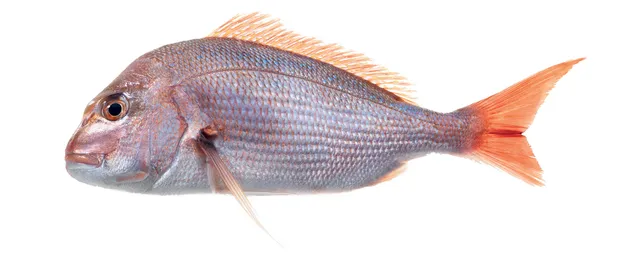 Saltwater
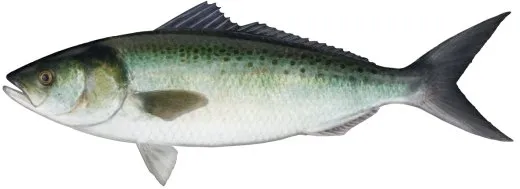 Saltwater
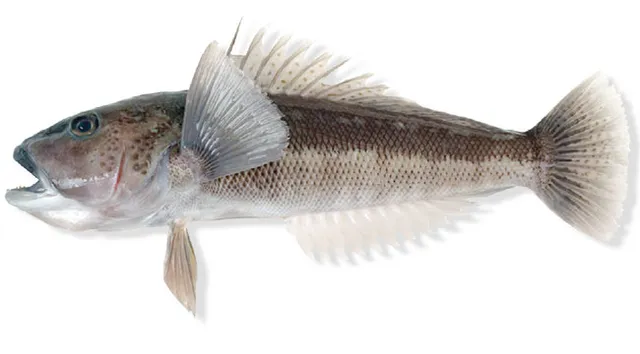 EndemicSaltwater
More guides
All guides- ArticlesNZ fishing rigs and knots: diagrams and when to use eachClear diagrams of the main NZ fishing rigs (ledger, running sinker, strayline, surfcasting, live bait) and the knots to tie them, with which fish each catches.
- ArticlesHow to fillet a fish: snapper, gurnard, kahawai and moreStep-by-step filleting for NZ fish, with photos: the basic method, skinning and pin bones, and what is different about snapper, gurnard, kahawai and blue cod.
- ArticlesBest time to fish in New ZealandWhen to catch snapper, kingfish, kahawai, tuna, trout and salmon in New Zealand, with a month-by-month calendar and what bites in each season.