
Trumpeter
Kohikohi, Koekohe
Latris lineataAlso known as Striped trumpeter

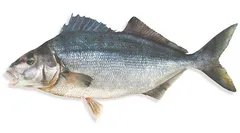
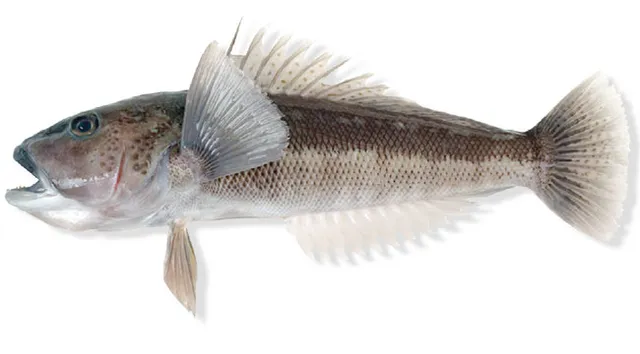
Trumpeter (kohikohi) is a yellow-brown reef fish with three dark olive to yellow-green stripes along its upper side and a concave head profile. It lives over rocky reefs from a few metres down to about 200 m, mostly around the southern South Island, Stewart Island and the Chatham Rise. Its firm, moist white flesh is highly regarded.
How to identify trumpeter
An elongated, compressed fish with a distinctly concave head profile. The back and sides are yellow-brown, with three dark olive to yellow-green stripes along the upper side and a broad, faint band along the lower side. A dark stripe runs from the snout to the start of the dorsal fin. The belly is silvery yellow. Trumpeter can be separated from their relatives, such as moki, by the 26 to 30 rays in the anal fin.
Size and daily limits
Minimum size35 cmDaily limit5–15 a dayNo species limit in Auckland and Kermadec, Central, and Challenger.Limits for each area
| Area | Min. size | Daily limit |
|---|---|---|
| Auckland and Kermadec area | 35 cm | No species limit (combined 20 a day) |
| Central area | 35 cm | No species limit (combined 20 a day) |
| Challenger area | 35 cm | No species limit (combined 20 a day) |
| Kaikōura area | 35 cm | 15 |
| South-East area | 35 cm | 15 |
| Fiordland area (Fiordland Marine Area) | 35 cm | 5 Inside the Fiords: 1 per day. |
| Southland area | 35 cm | 15 |
Within combined finfish daily limit.
Checked 22 October 2026 · Source: MPI. Rules change, so check the NZ Fishing Rules app before you keep a fish.
Where it lives in New Zealand
Found from the Three Kings Islands to the Auckland Islands but rare north of East Cape and Cape Egmont. The biggest numbers are on the Chatham Rise and around the southern South Island and Stewart Island. Trumpeter live over rocky reefs from a few metres down to about 200 m. Young fish settle on shallow inshore reefs and move to deeper reefs as they mature, so deep-water fish tend to be much larger.
How to catch it
Taken on rod and line and handline over rocky reefs, mostly as a bycatch when fishing for other species. Most recreational catch comes from the south-east coast, Southland and the Challenger area at the top of the South Island. Smaller fish are found on shallow inshore reefs; bigger fish sit on deeper reefs. Trumpeter feed on crabs, shrimps, squid, octopus and small fish, so bottom-fished baits of this kind suit them.
Eating
Firm, moist white flesh with a delicate flavour. It holds together well, so it suits many methods. Dry methods work best: pan fry, bake, grill or barbecue. Pan-fried and baked trumpeter are the most popular choices, and the firm fillets stay intact on a hot grill.
Recipes
- Zak and Tamar's reverse surf and turf (Seafood New Zealand)
Good to know
Trumpeter have a larval and post-larval stage of up to 9 months in surface waters, which spreads young fish widely. Australian studies estimate they live to about 43 years. They are managed under the Quota Management System.
Questions
Is trumpeter good eating?
Yes. Trumpeter has firm, moist white flesh with a delicate flavour. It holds together well, so dry methods work best: pan fry, bake, grill or barbecue. Pan-fried and baked trumpeter are the most popular choices, and the firm fillets stay intact on a hot grill.
How do you tell trumpeter from blue moki?
Look for stripes. Trumpeter are yellow-brown with three olive to yellow-green stripes along the upper side and a dark stripe from the snout to the dorsal fin. Blue moki are blue-grey and silver with no lengthwise stripes. Trumpeter also have 26 to 30 rays in the anal fin.
Where are trumpeter caught in New Zealand?
Mostly in the south. Most recreational catch comes from the south-east coast, Southland and the Challenger area at the top of the South Island. They are also plentiful on the Chatham Rise and around Stewart Island, but rare north of East Cape and Cape Egmont.
Related species
 Saltwater
 Saltwater
 Saltwater
 EndemicSaltwater
More guides
All guides- ArticlesNZ fishing rigs and knots: diagrams and when to use eachClear diagrams of the main NZ fishing rigs (ledger, running sinker, strayline, surfcasting, live bait) and the knots to tie them, with which fish each catches.
- ArticlesHow to fillet a fish: snapper, gurnard, kahawai and moreStep-by-step filleting for NZ fish, with photos: the basic method, skinning and pin bones, and what is different about snapper, gurnard, kahawai and blue cod.
- ArticlesBest time to fish in New ZealandWhen to catch snapper, kingfish, kahawai, tuna, trout and salmon in New Zealand, with a month-by-month calendar and what bites in each season.